
Gikomba Market in Nairobi gives a real, busy feel of life in Kenya every day. It’s not like smooth tourist spots. It’s a busy place where people buy, sell, and fix up old goods – mostly clothes. It sits about 2.5 miles east of Nairobi’s center in the Pumwani Ward. This big market is full of life, new ideas, and ties between people.
Here’s why Gikomba is special:
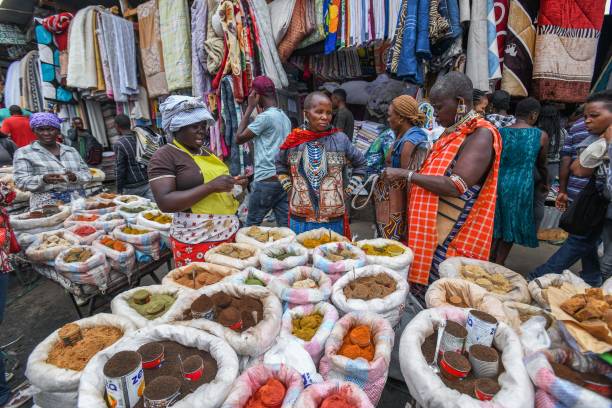
- Lively Feel: Sellers and buyers talk in many languages – Swahili, Kikuyu, and English – among bright cloths and the noise of trade.
- Used Goods: Famous for its mitumba sales, the market has cheap, used things, from old clothes to stuff for the home.
- Green in Action: By fixing and reusing goods, Gikomba cuts down on waste and helps earth-friendly ways.
- Spirit of Community: The market brings together people from all places, making bonds and chances.
Getting around Gikomba can feel too much, but Wild Springs Adventures gives tours that show the heart of the market. These tours offer a look at its past, tips for making deals, and chances to meet local sellers. If you’re shopping, taking photos, or just curious, Gikomba shows you Nairobi’s lively heart.
Where Is Gikomba Market and How to Get There
Gikomba’s Place in Nairobi
Gikomba Market is set in the Pumwani Ward of Kamukunji sub-county, just about 2.5 miles (4 kilometers) east of Nairobi’s Core Trade Area. This busy market is in a busy live spot, showing off the full life of Nairobi.
It spreads over a lot of land near Landhies Road, and it has the Nairobi River to the south and Jogoo Road to the north. Being in the middle, it brings in many sellers and buyers. On days with no clouds, you might see the Kenyatta International Conference Centre not far off. The market sits near big known spots, so it’s not hard to find.
Knowing where Gikomba is, you can start to plan your trip.
Getting to Gikomba Market
If you want a cheap way, matatus (shared minibuses) are good. They show “Gikomba” on the front glass, so you know which one to take. For a more easy and solo way, apps like Uber and Bolt, or local run tasks, can get you right to the market with no fuss.
Using the Moovit app, you can handle Nairobi’s bus plan well. It gives live bus times, step-by-step ways, and when buses will come, making your trip go smooth. Many bus lines, like 7, 3N, and 28, link Gikomba to lots of spots in the city, so you can get there from nearly anywhere.
Even better, Wild Springs Adventures gives a door-to-door pick-up service, from your stay or spot in Nairobi. This help cuts down the worry of working out how to go and starts your real Nairobi fun.
With these travel ways, reaching Gikomba Market is easy, letting you jump into its live and full world right when you get there.
Inside The Largest Second-Hand Clothes Market in East Africa – The Gikomba Experience
Gikomba Market’s Roots and Role
Origins of Gikomba Market
Gikomba Market began as a small spot where local folk sold fresh food and basic home items to people living nearby. Its name comes from the Kikuyu word meaning “place of the fig tree”, a hint at the fig trees that were once near the Nairobi River. This simple start helped Gikomba grow into more than a market – it’s now a key part of Kenyan life.
Economic Growth Amid Challenges
Hard times and few jobs drove many to Gikomba, where small trades became a way to make money. With just a little money, sellers could offer used clothes, shoes, or items for the home. The flow of used goods from other places helped make Gikomba a top open-air market for such items in East Africa, known for good, cheap finds.
Gikomba shows off Nairobi’s get-up-and-go spirit and the need to stand on one’s own feet. Sellers start their day early, putting in small sums in the hope of fast gains. This hard work has built a busy area where people selling veggies, old clothes, shoe fixers, and clothes makers work side by side, each craft helping the next. The market’s reach goes beyond, helping people make a living not just from sales but also through linked work like moving goods, money services, and places to eat.
But Gikomba’s impact goes past Nairobi. As a main spot for old goods, it pulls in traders from nearby lands and helps keep goods in use that could have been thrown out. Its place as a main hub shows its role in linking different folk and pushing trade that keeps going.
What makes Gikomba really stand out is how it brings people of all sorts together. College kids, house helpers, and families all go to the market for cheap finds. It’s a place where all can share, each finding something of worth.
Wild Springs Adventures’ Perspective
Wild Springs Adventures says Gikomba is more than a place to shop. It shows what Kenya is – strong, clever, and always changing. The market tells the tale of plain folk making great answers to money struggles, showing the smart thinking that marks the country.
Each buy at Gikomba is a nod to its past, giving a true feel far from just-for-show tourist spots. From its days with fig trees to its busy market life, Gikomba stands as a live show of Kenyan drive and staying power.
Why Gikomba Market Stands Out
Gikomba Market is not the usual place you shop in Nairobi. Here, you get to feel the real pulse of Kenyan daily life. Skip the shiny spots made for tourists; Gikomba buzzes with true energy and real human links. It is where the city’s lively vibe really shows. Let’s look at why this market is so unique.
Pure Life, Simple Style
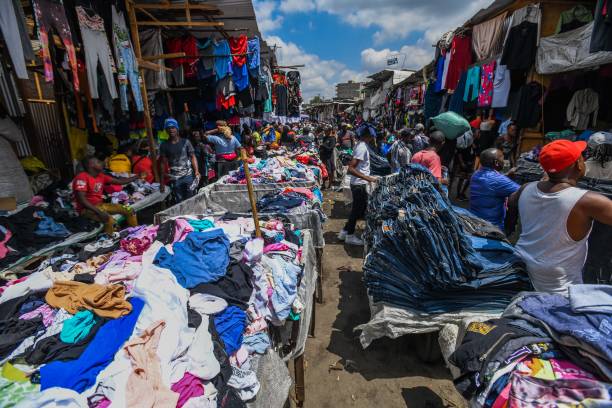
When you step into Gikomba, you see it’s not like other places. There are no lines of shops just for tourists or guides who rehearse their lines. What you find is the true, unplanned flow of daily life. Here, sellers talk over prices for items like denim and leather, showing the market’s real heart. Long-time sellers will say that here, it doesn’t matter who you are – everyone wants good stuff at a fair price.
You might see a tailor make an old piece of clothing new again or hear a chat about a bold cloth choice. These bits are what make Gikomba its own. Wild Springs Adventures tours help people see this raw, open world, where every talk is close and true.
A Place of Energy and Will
Gikomba is more than a market – it shows Nairobi’s drive to make things happen. The day begins early, with sellers showing up at dawn to pick the best spots and look through new items for the best ones. The early birds get the best stuff, from rare finds to special items like kids’ clothes or dressy outfits.
But Gikomba is not just about selling alone. It’s a whole world. Many families make their living here, and people work as carriers, guards, and food sellers. And it’s changing with the times – sellers now use phones and social media to share their goods and set up big orders, mixing old ways with new tech to keep Nairobi’s unofficial market going.
A New Chance for Items
A big role of Gikomba is in its focus on reuse. Every day, lots of used clothes and home items move through the market, giving these items another life instead of throwing them away. Sellers with a sharp eye find old treasures, offering buyers one-of-a-kind things while using resources better.
This makes a bigger difference than you might think. Making new clothes uses lots of water and energy, so by reusing things, Gikomba helps save these resources and reduce air waste. With time, how people see used goods has changed. Today, young workers, style lovers, and families head to Gikomba for cool, low-cost vintage items.
The market is big in fixing old stuff, too. Local tailors and shoe fixers make old items new and useful again, instead of throwing them out. This way of thinking cuts waste and opens up job chances. Wild Springs Adventures takes people on tours, helping them see how Gikomba helps the round economy – one that cares for both the earth and money health.
The Gikomba Market Trip with Wild Springs Adventures
Gikomba Market is not just a place to buy and sell – it’s a live picture of Nairobi’s bright life and past. But going in by yourself can seem too much. The crowds, twisty paths, and endless buzz may make you ask, “Where do I start?” This is where Wild Springs Adventures steps in, with a tour guide to help you see the core of one of Nairobi’s truest markets.
The trip starts with a short talk to get you set for the day. Your guide will show you some local “hi”s and tips on how to move with ease in the market. This nice start will make you ready for a day full of new things.
Guided Tour of Gikomba
Your guide takes you through the busy parts of the market, first to the clothes spots showing the busy mitumba (second-hand clothes) scene. Next, you’ll move to areas full of shoes, home stuff, and more. As you walk, your guide will tell you about the prices and drop fun facts about local ways. You’ll learn how old things are made new again, and start to see more in Nairobi’s habits of reusing and green trade.
Local Looks and Talks with Sellers
A key part of the tour is meeting the people who run the market. With your guide’s help, you might chat with sellers who tell their own tales and life bits. These talks let you see the real day-to-day of those who keep Gikomba going, adding a real feel to the busy buying and selling around you.
Safety and Ease Steps
Wild Springs Adventures puts your safety and ease first all through the trip. They keep groups small for a closer feel, and your guide knows the local do’s and don’ts to make sure all goes well.
More than just seeing the stuff for sale, this tour goes into what Gikomba Market really means. You’ll learn about the green ways that keep the second-hand trade going and see the tough and smart community behind it. It’s more than a simple market trip – it’s a way to meet the soul of Nairobi.
Buying Stuff at Gikomba: How to Buy Like You Live There
Buying at Gikomba is not like your normal shop. It’s a fun ride with loud talks, smart deals, and the joy of finding cool, hidden stuff. With tips from Wild Springs Adventures, you’ll learn to walk through this busy place like you’ve been there many times. Here, prices change, and every buy is a time for fun talks and smart deals.
Getting to Know the Mitumba Trade
At the heart of Gikomba is the mitumba trade – a word in Swahili for old clothes that are big in Kenyan life. These items come in big, tight packs and bring a feel of fun and wonder. Each pack, when opened, may have stuff like designer pants, old band tops, good leather coats, or normal tops. This fun guesswork keeps both the buyers and sellers excited to come back.
For those who shop, mitumba lets you get good stuff without spending much. Sellers, with lots of time doing this, know how to spot top cloth and big brands. As time goes by, trust grows between the sellers and their steady buyers, making bonds that are more than just buying and selling.
How to Deal Like a Pro
Here, it’s normal and wanted for you to talk down the price. Sellers might ask for two or three times more than the price they want, so you need to be brave and kind.
“Planning to shop at Gikomba Market in Nairobi? Here’s a tip: the quoted prices are just a starting point! 🥿 If the seller says Ksh 1,800, aim for Ksh 500-800. 👟 If they say Ksh 1,500, you can get it for Ksh 400-600. 👞 If it’s Ksh 1,200, expect to pay Ksh 250-400. 📢 Pro Tip: Always speak Swahili for better deals! Happy bargaining! 💰”
– kiswahili_with_abdulkarim
Start with an offer of 30-50% of the first price, and use easy Swahili sayings like “Bei gani?” (How much?) or “Naweza kupata kwa bei rahisi?” (Can I get it for less?) to talk with sellers. For example, if a seller wants 1,800 Kenyan shillings (about $12), try first with 500–600 shillings (about $3–4). Be nice and keep the talk light until you both agree on a price.
A smile, looking them in the eyes, and a bit of fun can help a lot when you talk about the price. And don’t forget; you can always walk away – if it doesn’t feel good, say “Asante” nicely and go. Often, the seller might call you back with a lower price, or you might find a better deal at the next place.
Best Times to Go to Gikomba
When you go can change a lot about the deals you find. Early mornings, from 7:00 to 10:00 AM, are the best times for shopping. This is when sellers show their new bales, full of fresh, new stuff.
“Go early in the morning, when new bales are being opened, and the best finds are still available.”
– Rachel Mbanje
Friday mornings are chill with not many people around, making it easy to look around and talk prices. Weekday mornings are also calm, giving you more time to check out items, try them on, and talk with sellers. These quiet times often lead to finding cool stuff and getting tips on new things coming in.
On the other hand, late afternoons and nights are not as good. By then, the top items are mostly gone, and sellers are too tired for long talks. The busy feel of the market goes down as the day moves on, leaving less good finds.
Wild Springs Adventures makes sure you get there at the best time to find Gikomba’s gems, helping you move through the busy market with trust and comfort.
Why Gikomba Is A Top Real Feel of Nairobi
To get the true feel of Nairobi, Gikomba Market is a standout. It’s not a clean, set up place for tourists – it’s where you can find the true city vibe, meet its people, and get a true part of local life.
A Live Community at Its Core
Walking into Gikomba is like seeing a live picture of Nairobi. The market draws people from across Kenya, making a loud mix of languages like Kikuyu, Luo, Luhya, Somali, and English. It shows how mixed the city is.
Many families have grown up with Gikomba. Know-hows like picking good fabrics, making customer ties, and getting the market’s beat are handed down like treasures. More than work, there’s a strong group feel here. Old sellers often help new ones, with tips on good suppliers, heads up on hard parts, and a hand in hard times.
Gikomba isn’t just a place to buy – it’s a spot where friends are made, advice is swapped, and stories are told. This group vibe gives the market its own feel, making it much more than a busy selling place.
Off the Usual Tourist Track
Not like Nairobi’s more set up spots with set times and costs, Gikomba Market is truly free. There are no set paths, no set ups – just a clear call to jump into the market’s own pulse and meet its people.
Here, work goes in its own real way. Talks start on their own, and deals close with a mix of talk and laughs. It’s a place where every chat feels real, not made up.
For photo takers, Gikomba is full of true moments. Think of getting a tailor hard at work, kids running through busy paths, or sellers sorting fresh loads of old clothes. These shots tell a story that’s more real than the set shots you might get at normal tourist spots.
Going to Gikomba also moves you, in a good way. Making your way through packed paths, dealing with language gaps, and keeping up with the market’s speed help you understand Nairobi’s way – and maybe even learn a bit about you.
Wild Springs Adventures sees this special charm. Their Gikomba Market trips are made to let you live the market’s own way while making sure you’re comfy and safe. Rather than making the market another clean spot, these trips push you to really connect with its busy daily life.
What makes Gikomba unforgettable isn’t just the sights or sounds – it’s the ties you build. While photos of Nairobi’s big spots may fill your social media, it’s the real talks and moments shared at Gikomba that will stick with you, making your visit a true Kenyan story you’ll hold dear always.
How to Book a Gikomba Market Tour with Wild Springs Adventures
Booking a trip to Gikomba Market with Wild Springs Adventures is easy and works for any plan, solo or with friends. You can choose a solo tour for a more custom visit and more time to meet sellers, or pick a group tour to join others and have fun looking around the market together.
To start, just go to their site at wildsprings.co.ke or call them. Tell them when you want to go, how many will come, and what you like to see. Their group will help you pick from their choices, like how long to stay and how much it will cost, to make sure it fits what you need.
If you want to focus on taking photos or learn more about clothes sold in Kenya, their guides can change the tour for you. This makes your trip even better.
When you visit, bring cash because that’s what most sellers at Gikomba take. The team will tell you how much cash you should have to be ready to shop and look around.
Wild Springs Adventures takes care of going there and back from your home or another place in Nairobi. This lets you enjoy the place without any fuss.
When you book, your guide will give you tips too, like how to stay safe, what to wear, and how to behave if you want to take photos. These tips make sure you have a great first time at Gikomba.
Want to go? Reach out to Wild Springs Adventures online or by phone to set your tour and pick the best day for your trip.
Gikomba: The True Heart of Nairobi
Gikomba Market isn’t just a spot on a travel plan – it’s the heart of Nairobi. This busy place shows the real life of people in Kenya. It’s where the city’s energy is felt, with many hard-working people turning old goods into chances, mixing art with the need to live. When you walk through Gikomba, you don’t just look at a market – you feel the beat of a city alive with hope and smart ideas.
A Symbol of Resilience and Adaptation
This place is more than a spot to buy things. It’s a sign of how good Nairobi is at finding ways to make do, joining people, and changing when needed. Every talk over price and chat with a seller shows how reusing and saving are part of life here. At Gikomba, saving isn’t just a cool thing – it’s a must, woven into how the market works and its care for nature.
With Wild Springs Adventures, seeing Gikomba is more than getting through the busy spots. Their local guides link you with the town, showing you more than what meets the eye. They make sure you don’t just look but really take in the market, getting to know the people and tales that make Gikomba stand out. They help you know the market well while keeping its real charm.
If you’re a traveler after true culture, a photographer wanting real stories, or just keen to see a new part of Nairobi, Gikomba Market is a memory you won’t forget. It’s not just about the things for sale – it’s about knowing the spirit of Nairobi through its most full-of-life and moving part.
Plan to see Gikomba Market with Wild Springs Adventures and find the heart of Nairobi. This isn’t just a trip – it’s a way to touch the core of Kenya’s city that stays with you even after you go.
FAQs
Related Blog Posts
Best Amboseli Safari Packages 2026: From Budget to Luxury
10 Best Safari Parks in Kenya: A Complete Guide