
Ol Pejeta Conservancy, Equator Visit Day trip from Nairobi
Ol Pejeta Conservancy offers an incredible day trip from Nairobi, combining wildlife viewing, conservation efforts, and a unique equator crossing experience. Located about 200 kilometers (125 miles) north of Nairobi, the conservancy is home to the Big Five, East Africa’s largest black rhino population, and the Sweetwaters Chimpanzee Sanctuary. Visitors can enjoy game drives, scenic picnic spots, and educational conservation programs, all while contributing to wildlife protection and community development.
Key details:
- Wildlife Highlights: Big Five, black and white rhinos, chimpanzees.
- Travel Time: 3–4.5 hours from Nairobi (soon to be under 3 hours with new road construction).
- Best Time to Visit: Early morning for active wildlife and lighter traffic.
- Costs: Entry fees vary by residency and group size, with Kenyan citizens paying less. Estimated costs range from $40–$180 per person, depending on group size and visitor category.
- Transport: Private or safari vehicles are recommended; four-wheel drive is useful during rainy seasons.
This guide covers everything you need to plan your trip, including schedules, fees, transport tips, and seasonal wildlife patterns.
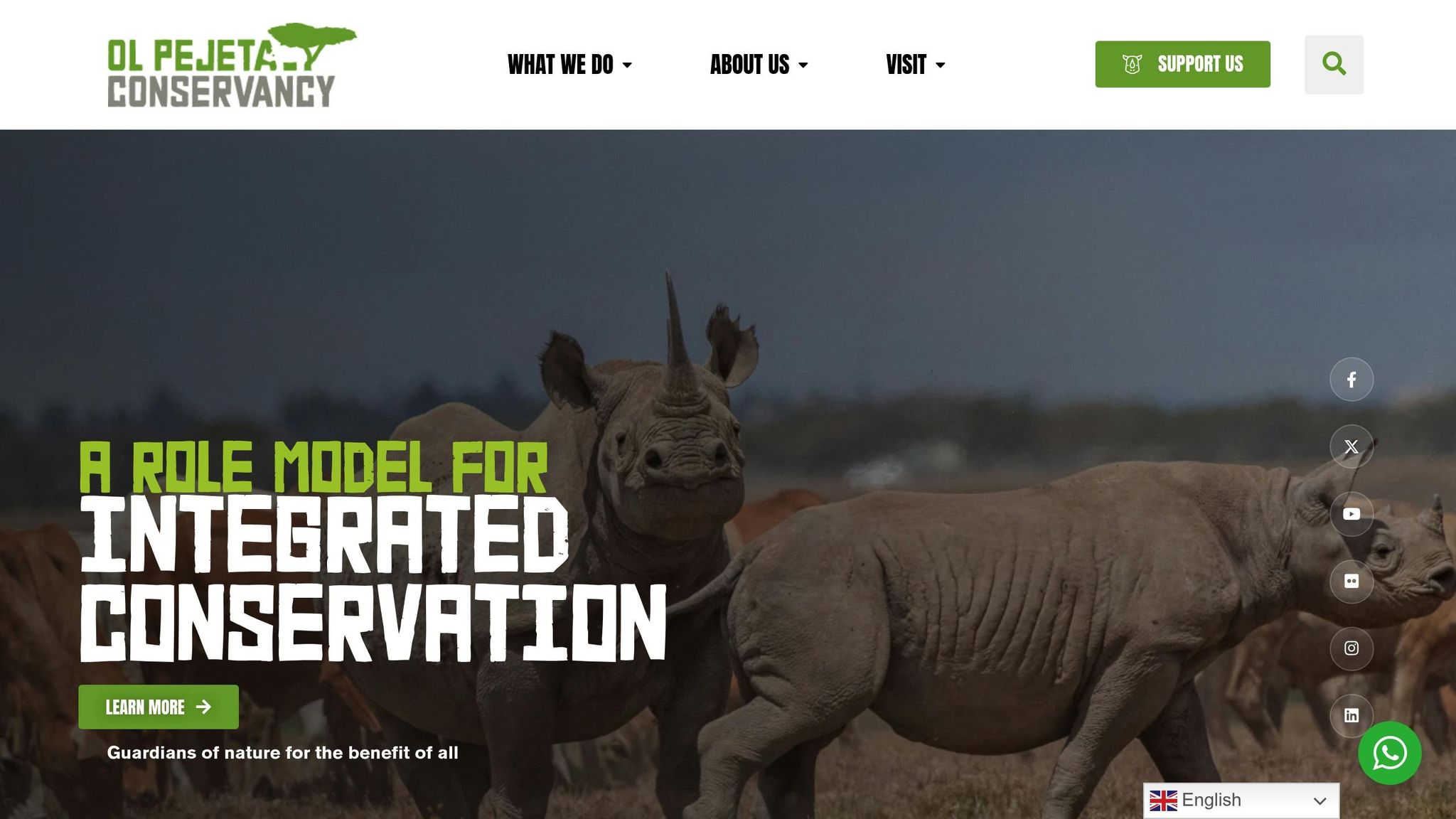
Ol Pejeta Conservancy: Explore the Largest Black Rhino Sanctuary in East Africa
2026 Entry Fees and Booking Information
Ol Pejeta uses a tiered pricing model designed to support conservation efforts while making visits accessible for a variety of travelers. Kenyan citizens benefit from lower entry fees to encourage domestic tourism, while residents and international visitors pay higher rates. This system clearly separates conservation fees from vehicle access charges, ensuring transparency about how contributions are allocated to wildlife protection and facility maintenance. While fees have remained relatively steady compared to previous years, slight adjustments might occur due to changes in fuel costs or peak-season demand. To avoid surprises, it’s best to check the latest rates before planning your trip.
2026 Entry Fee Structure
The fee structure is divided by visitor category: Kenyan citizens receive reduced rates, while residents and non-residents pay higher amounts. Additionally, charges are split into two main components: one fee covers conservation access, and another applies to vehicle usage. The vehicle fee varies depending on whether a standard car or a safari vehicle is used. For those looking to enhance their experience, optional activities like guided walking safaris or visits to nearby sanctuaries come with additional charges. These extra fees directly support specialized conservation initiatives. By offering this transparent breakdown, Ol Pejeta not only helps visitors plan their budgets but also underscores its dedication to wildlife preservation and fair pricing.
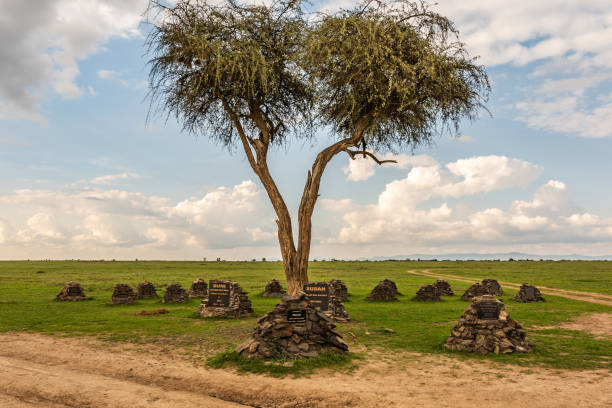
Booking Process and Procedures
Once you’ve reviewed the fee structure, the booking process is simple. While it’s not mandatory to book in advance, doing so – especially during peak times – is highly recommended. Payments can be made securely through cash, mobile platforms, or credit cards, and international visitors can use US dollars. Groups of ten or more may qualify for discounts if arrangements are made ahead of time. Ol Pejeta’s operating hours typically run from early morning to late afternoon, but it’s a good idea to confirm specific hours before your visit. During rainy seasons, vehicles with strong traction are advisable for navigating the roads. While rescheduling is an option in case of weather-related disruptions, refunds are generally not available, so careful planning is essential. These details will tie in seamlessly with our safari planning tips in upcoming sections.
Day Trip Schedule and Transport
Planning a day trip to Ol Pejeta requires careful timing and coordination, especially since the journey from Nairobi spans about 125 miles (200 kilometers) and typically takes 2.5 to 3 hours under normal traffic conditions. Many travelers like to include a quick stop at the equator crossing along the way, which offers a fun photo opportunity and a chance to stretch your legs.
Daily Schedule for Day Trip
To make the most of your visit, an early start is key. Leaving Nairobi between 5:00 AM and 6:00 AM is ideal, as traffic is lighter, and the cooler morning temperatures mean animals are more active. The drive north often takes you through Thikaon the way to Nanyuki, with the equator crossing serving as a natural midpoint for a short break.
You’ll likely reach the equator around 7:30 AM to 8:00 AM. This stop usually lasts 15–20 minutes and gives you time for some quick photos before continuing to Ol Pejeta. Arriving at the conservancy between 8:30 AM and 9:00 AM allows enough time to handle entry procedures and head straight into the morning game drive. These drives, running from 9:00 AM to 12:00 PM, often include highlights like the northern white rhino enclosure, where you might also spot elephants, lions, and other wildlife.
Lunch is typically enjoyed at Serena Sweetwaters Lodge from 12:30 PM to 1:30 PM. The lodge offers a peaceful setting with views of a watering hole where animals frequently gather. For a more flexible option, some visitors bring packed lunches to enjoy at one of the conservancy’s scenic picnic spots.
Afternoon activities, from 2:00 PM to 4:30 PM, include a visit to the Sweetwaters Chimpanzee Sanctuary and additional game drives. This time lets you explore areas missed earlier in the day, such as a visit to Baraka, the blind rhino. Most visitors leave Ol Pejeta between 4:30 PM and 5:00 PM, ensuring a smooth return to Nairobi, arriving between 7:00 PM and 8:30 PM.
With the schedule set, it’s time to consider transport options to ensure everything goes smoothly.
Transport Options and Travel Tips
Choosing the right transport can make or break your day trip experience. Private vehicles are a popular choice because they offer both comfort and flexibility. Safari vehicles with pop-top roofs are especially recommended, as they allow passengers to stand and enjoy an elevated view of the wildlife. While standard sedans can access the conservancy, they don’t provide the same level of visibility during game drives.
The roads between Nairobi and Nanyuki are mostly paved and well-maintained, but once inside Ol Pejeta, conditions can vary. Some tracks are smooth, but others may be rough, especially after rain. Vehicles with higher clearance are better suited for reaching more remote areas within the conservancy.
Since the round trip covers about 250 miles (400 kilometers), plan your fuel stops carefully. It’s a good idea to refuel in Nanyuki before entering Ol Pejeta, as there are no fuel stations inside the conservancy. Bringing water and snacks can also make the journey more comfortable.
Timing your travel is crucial to avoid delays caused by traffic, particularly when leaving Nairobi. If you’re driving a private vehicle, make sure it’s properly registered and insured, as these are requirements for entry into the conservancy. While a four-wheel-drive vehicle isn’t strictly necessary, it can be helpful for navigating tougher terrain, especially during wet weather.
Wildlife Viewing and Seasonal Patterns
Planning your visit to Ol Pejeta Conservancy with an understanding of wildlife behavior and seasonal changes can make your day trip far more rewarding. The conservancy’s varied habitats host an impressive range of species, each adapting their movements and habits to the changing seasons. Knowing when and where animals are most active allows visitors to make the most of their limited time, creating opportunities for unforgettable wildlife encounters.
Key Wildlife Species and Habitats
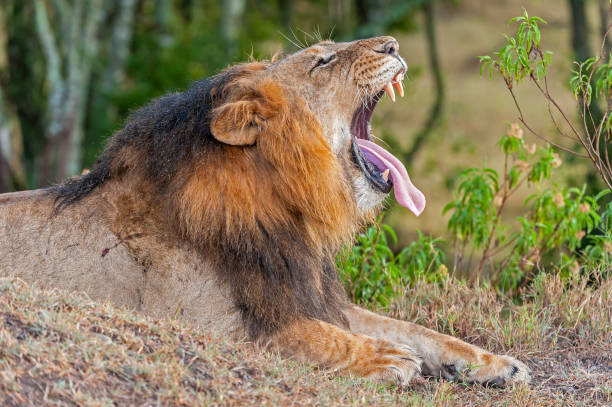
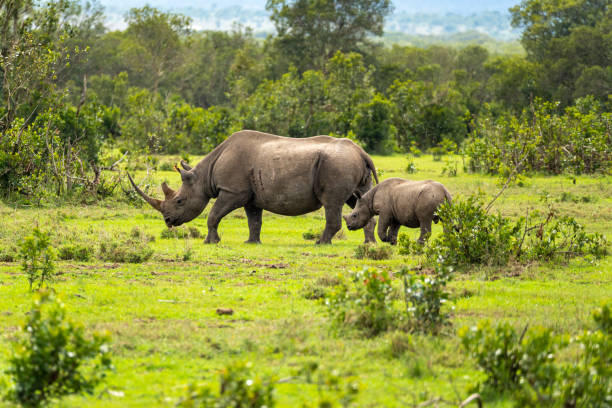
Ol Pejeta Conservancy is renowned for its efforts to protect endangered species, particularly rhinos. It boasts a thriving population of black rhinos, offering visitors a rare chance to observe these majestic creatures in their natural habitat. Lions, another highlight, roam the grasslands and woodlands, while buffalo are often seen near water sources. Zebras, easily recognized by their striking stripes, graze in specific areas, adding to the diversity of sightings. Elephants, traveling in family groups, follow well-worn paths between feeding grounds and water sources, showcasing their intricate social dynamics.
Beyond the larger mammals, the conservancy is home to a fascinating array of smaller predators and primates. The Sweetwaters Chimpanzee Sanctuary provides a unique opportunity to watch rescued chimpanzees engage in their natural social behaviors. While leopards are elusive and often hidden among rocky outcrops and dense vegetation, lucky visitors may catch a glimpse of these stealthy cats. Hyenas are more commonly seen in certain areas, and there have even been occasional sightings of wild dogs. Together, these species create a dynamic ecosystem, highlighting the conservancy’s vital role in protecting diverse wildlife and their habitats.
Seasonal Patterns and Wildlife Behavior
Seasonal changes at Ol Pejeta have a noticeable impact on wildlife activity, shaping the experience for visitors. During the dry months, permanent water sources become focal points for many animals, making it easier to spot species like rhinos and buffalo. Predators such as lions adjust their habits as prey animals gather in these areas, creating more predictable opportunities for sightings.
In contrast, the rainy season transforms the landscape with temporary water sources, leading to a wider dispersion of animals across the conservancy. This period offers unique moments to observe behaviors like the nurturing of newborns and heightened social interactions. Bird enthusiasts can also enjoy a surge in activity, as increased insect populations and nesting efforts bring a lively variety of avian species into view.
Temperature shifts between seasons influence when animals are most active. Cooler mornings and late afternoons are prime times for wildlife viewing, as many species prefer these hours for foraging and socializing. Visitors who plan their itineraries around these natural rhythms are likely to enjoy more engaging and memorable encounters with the conservancy’s incredible wildlife.
2026 Day Trip Pricing and Cost Breakdown
Planning a day trip to Ol Pejeta Conservancy? Here’s a detailed breakdown of costs to help you budget and decide on the best group size. Pricing differs based on whether you’re a Kenyan citizen, a resident, or a non-resident, reflecting varying park entry and conservation fees. Traveling in a group can significantly lower the per-person cost, making it a more affordable option for those seeking a shared safari experience. The pricing structure is designed to be transparent, ensuring every visitor understands how their contribution supports conservation efforts.
Transport from Nairobi is the biggest expense and is influenced by fuel prices and seasonal demand. Park entry fees are standardized by Ol Pejeta Conservancy but may change during peak seasons or if conservation funding needs are adjusted.
Pricing Table for 2026
Here’s an estimate of per-person costs for day trips to Ol Pejeta Conservancy, based on group size and status:
| Group Type | 1 Pax | 2 Pax | 3 Pax | 4 Pax | 5 Pax | 6 Pax |
|---|---|---|---|---|---|---|
| Kenyan Citizen | $120 | $75 | $60 | $50 | $45 | $40 |
| Kenya Resident | $140 | $90 | $70 | $60 | $55 | $50 |
| Non-Resident | $180 | $120 | $95 | $80 | $70 | $65 |
These costs include round-trip transport from Nairobi, professional guide services, park entry fees, and vehicle charges within the conservancy. Additional expenses, such as lunch and optional activities, are not included in these estimates.
Estimates are based on current transport rates, park fees, fuel prices, and guide charges for 2026.
While the table provides a general idea of costs, several factors can influence final pricing.
Cost Factors and Price Variations
Several variables can impact the cost of your trip. Here are the key factors to consider:
- Fuel Prices: Transport costs are directly tied to fuel prices, which can fluctuate based on global oil markets. Any significant changes may result in adjusted trip pricing.
- Seasonal Demand: Peak tourism months – July through October and December through January – tend to drive up prices due to high demand and limited vehicle availability. On the other hand, during the rainy season (April and May), rates may drop as demand decreases.
- Group Composition: Mixed groups of citizens, residents, and non-residents require careful cost calculations due to differing park fees. This can affect the overall pricing for the group.
- Booking Timing: Last-minute bookings often come with higher costs due to limited vehicle availability, while early reservations usually secure better rates and guaranteed departure times.
- Vehicle Type: Standard safari vehicles, which seat up to six passengers comfortably, are the most economical option. However, luxury vehicles with enhanced features for game viewing come at a premium. Private vehicle arrangements, while offering exclusivity, can significantly increase individual expenses.
Understanding these factors can help you make informed decisions and enjoy a well-planned, stress-free safari. Keep these considerations in mind as you explore other planning tips later in this guide.
Safari Planning Tips and Preparation
Packing List and Preparation
Packing smartly is key to a hassle-free day at the conservancy. Since single-use plastics are banned, bring a reusable water bottle to stay hydrated throughout the day. For meals, you have two great options: you can either dine at Morani’s Restaurant, which operates from 8:00 am to 4:30 pm and is known for its locally sourced dishes like the grass-fed beef burger, or you can pack your own food and enjoy a picnic at one of the designated campsites. Whichever option you choose, make sure your plans align with the conservancy’s eco-friendly guidelines.
Health, Safety, and Park Rules
Being well-prepared also means following safety and park rules designed to protect both visitors and wildlife. The Ol Pejeta Code of Conduct is in place to safeguard everyone and preserve the environment. Violating these rules can result in fines of Ksh 5,000 per person, removal from the conservancy, or even a permanent ban.
Vehicle safety is a top priority. The speed limit is strictly set at 25 mph (40 kph), and off-road driving is not allowed unless explicitly approved by management. Additionally, all vehicles must exit the conservancy by 7:00 pm, and sitting or standing on vehicle roofs is prohibited.
When it comes to wildlife, always give animals the right of way. Never chase, follow, or harass wildlife, and feeding animals – whether you’re in a vehicle, on foot, or at a campsite – is strictly forbidden. Remember, being near wildlife carries inherent risks, so always maintain a safe distance.
For your personal safety, stay inside your vehicle unless you’re in designated areas like visitor centers or restaurants. Weapons such as firearms, spears, bows, and arrows are not allowed, and private drones require prior approval from management. To protect the environment, avoid littering, collecting firewood, or damaging any plants or animals, as these actions carry immediate penalties.
If you need assistance or witness any violations, you can reach out to the Tourism Helpline & Emergencies at +254 713 912 324 or the Radio Room at +254 723 312 673. Always ensure you receive official receipts for any cash transactions to avoid misunderstandings.
Related Travel Guides
Your Ol Pejeta day trip is just the beginning of your Kenyan wildlife adventure. Kenya is rich with opportunities for wildlife encounters, cultural experiences, and outdoor exploration, making it an ideal destination for travelers seeking variety. By diving into additional destinations and understanding travel logistics, you can maximize your time in this vibrant country. Below, you’ll find specialized guides to help you plan every aspect of your Kenyan safari journey.
Additional Planning Resources
To enhance your safari experience, consider these resources that build on your Ol Pejeta visit. Located just 20 minutes from Ol Pejeta Conservancy, Nanyuki is the nearest town and offers attractions that perfectly complement your wildlife adventure. From bustling local markets to cultural landmarks and outdoor activities, our Things to Do in Nanyuki guide provides plenty of ideas. You can easily incorporate Nanyuki into your itinerary, whether as a quick stop or a longer stay to explore the area in more depth.
For international travelers, navigating visa requirements is a crucial step. Our Kenya Visa for Adventure Travelers 2025–2026 guide simplifies the process of securing the necessary entry permits. Since most safari packages don’t include visa arrangements, this resource is invaluable for ensuring your travel plans go smoothly. It’s a practical companion to earlier planning tips, helping you transition seamlessly from arrival to safari.
If your Ol Pejeta excursion sparks interest in a longer safari, the Ultimate Kenya Classic Safari Guide 2026 is a must-read. This comprehensive guide covers everything you need to know for a multi-day safari, from understanding seasonal wildlife migrations to choosing accommodations. It’s an essential tool for crafting an extended adventure across Kenya’s top wildlife destinations.
Kenya’s national parks and conservancies offer diverse and unforgettable experiences, each with its own appeal. Our 10 Best Safari Parks in Kenya: A Complete Guide compares the country’s top safari locations, helping you decide which ones align with your interests and schedule. Whether you’re drawn to the Great Migration, the Big Five, or conservation-focused programs, this guide ensures you can plan your safari with confidence and clarity.
FAQs
×
What are the best ways to get to Ol Pejeta Conservancy from Nairobi for a day trip?
Getting to Ol Pejeta Conservancy from Nairobi for a day trip is easier than you might think, with several travel options to suit different budgets and preferences:
- Drive yourself or rent a 4×4: If you value flexibility, this is your best bet. You can set your own schedule and take your time exploring the conservancy.
- Take a shuttle or matatu to Nanyuki, then grab a taxi: A wallet-friendly choice, but it does involve a bit more effort with the transfers.
- Book a safari operator with private transfers: Many tour companies handle everything, offering a stress-free experience from start to finish.
- Fly to Nanyuki Airstrip: This is the quickest way to get there, perfect if you’re short on time. However, it does come with a higher price tag.
Pick the option that works best for your schedule and budget, keeping in mind the balance between cost, time, and convenience.×
How do entry fees at Ol Pejeta Conservancy contribute to conservation efforts?
Entry fees are essential for sustaining wildlife protection and community programs at Ol Pejeta Conservancy. The funds generated go right back into efforts like protecting endangered species, maintaining the conservancy’s operations, and backing initiatives that uplift nearby communities.
When you visit, you’re not just exploring; you’re actively contributing to preserving wildlife habitats, bolstering anti-poaching measures, and encouraging sustainable growth in the region.×
What is the best time to see wildlife at Ol Pejeta Conservancy, and what can I expect during different seasons?
Wildlife viewing at Ol Pejeta Conservancy is a treat no matter the time of year, but the experience shifts with the seasons, offering something unique in each.
During the dry season (July to September), animals congregate around water sources, making it the perfect time to see the Big Five – lions, elephants, leopards, rhinos, and buffalo. This period offers excellent visibility and prime opportunities for spotting wildlife in action.
From October to December, the cooler weather and smaller crowds create a more laid-back and personal safari vibe. The short rains (November to early December) transform the landscape into a lush, green paradise, ideal for photographers and those hoping to spot young animals. Despite the greenery, wildlife viewing remains excellent during this time.
Whether you’re drawn to abundant wildlife, tranquil settings, or breathtaking scenery, Ol Pejeta has something to offer in every season, allowing you to plan a visit that matches your preferences.