.jpg)
.jpg)
☕🍃 Tigoni Tea Farm Tour Nairobi 2026 | Kenya Black Tea Heritage
Safari at a Glance
Wild Springs Adventures · Nairobi-Based Kenya Farm Tour Specialists Since 2013
🏆 TripAdvisor Travelers' Choice 2024 & 2025 · ✅ TRA Licensed No. TRA1/47/C01/25895 · 🏛️ TOSK Member #0082
🌍 Overview — Kenya's Tea Heritage 40 Minutes from Nairobi
The Tigoni tea farm tour from Nairobi takes you to the heartland of Kenya's oldest and most historically significant tea-growing region — the Tigoni highlands of Limuru, Kiambu County, where tea cultivation began in 1903 and where the landscape has been shaped by over 120 years of one of Africa's most successful agricultural exports.
Kenya is the world's third-largest tea producer and the largest exporter of black tea globally — surpassing India and Sri Lanka by volume. The Tigoni region in the Limuru highlands was the original epicentre of that industry — the place where colonial planters first proved that Kenya's volcanic soil, altitude, and bimodal rainfall could produce a tea that competed with Darjeeling and Ceylon at international auction. The traditional farms of Tigoni now sit within a suburban Nairobi day-trip radius, making this one of the most accessible genuine tea farm experiences available anywhere in East Africa.
This Kenya black tea farm tour is not a plantation bus tour. It is a guided walk through working tea fields, a hands-on plucking session, a factory processing demonstration covering withering, rolling, oxidation, and drying, and a comparative tasting of orthodox and CTC-grade black teas in a farm setting 40 minutes from the city.
📋 Tigoni Tea Farm Tour at a Glance
| Feature | Details |
|---|---|
| 🍃 Destination | Tigoni Tea Farms, Limuru, Kiambu County |
| 📍 Location | 34km from Nairobi CBD — approximately 40 minutes drive |
| 🏔️ Elevation | 2,200m above sea level — Kenya's highest tea growing zone |
| ⏱️ Duration | Half day — 4 to 5 hours including transport |
| 🌿 Tea Type | Kenya orthodox and CTC black tea |
| ☕ Historical Note | Kenya's original tea growing region — established 1903 |
| 🐎 Optional Add-on | Horseback riding through the tea farms |
| 💰 Price From | KES 7,500 per person (group of 4 to 6) |
| 📅 Available | Daily — morning departures preferred |
🕐 Full Day Schedule — Tigoni Tea Farm Tour from Nairobi
🚐 08:30 — Nairobi Departure
Private vehicle pickup from your Nairobi hotel or agreed meeting point. The drive northwest takes approximately 40 minutes via Limuru Road, ascending into cooler highland air as you leave Nairobi's suburbs and enter the tea country. The landscape change is visible from the vehicle — the green rows of tea beginning as individual estate patches before merging into the continuous green highland panorama that defines the Tigoni ridge.
🌿 09:30 — The Field Walk and Plucking
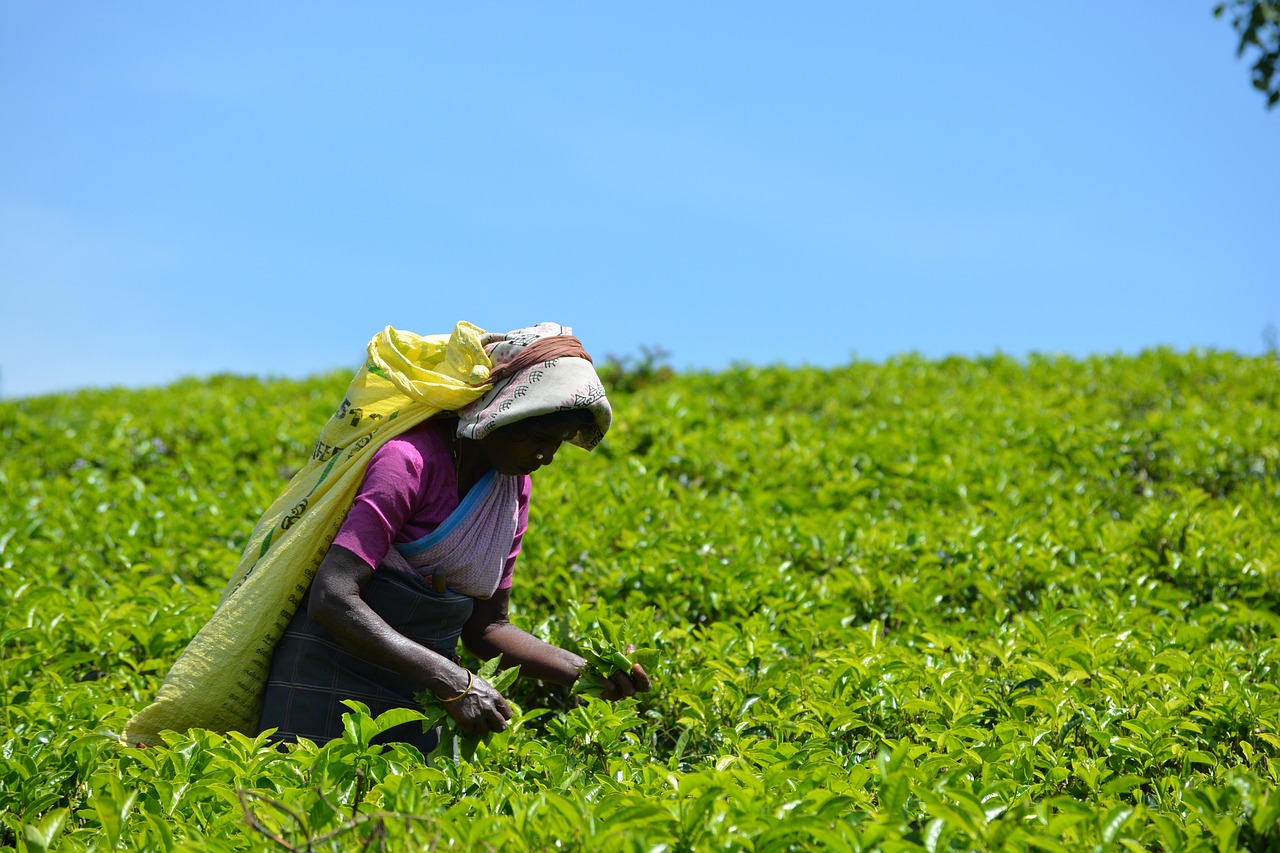
Your guide walks you through active tea fields and explains the cultivation fundamentals: why Kenya's tea grows best between 1,500 and 2,700m altitude, why the bimodal rainfall pattern (long rains April to June, short rains October to December) gives Kenya two main flush seasons per year while Assam has one, and why the volcanic Kiambu soil produces the amber, full-bodied cup that made Kenya tea the backbone of the British breakfast blend.
You learn and practice the two-leaf-and-a-bud plucking standard — the international quality benchmark that selects only the top two leaves and the growing tip of each tea shoot. You pluck your own leaves. The snap of the stem, the vegetal smell of the fresh leaf, the sight of the green bush rows stretching across the ridge — this is the experience that no café can replicate.
Your guide covers the distinction between smallholder tea (managed through Kenya Tea Development Authority cooperatives — KTDA — which processes the majority of Kenya's tea production) and estate tea (privately owned and processed, producing single-origin lots for premium buyers). The Tigoni farms represent both models within walking distance of each other.
🏭 10:30 — Tea Factory Processing Demonstration
The black tea factory is the educational core of the Tigoni tea farm tour from Nairobi. Unlike coffee's wet processing, black tea production involves no water — it is entirely a controlled drying and oxidation process.
The Full Black Tea Processing Sequence:
🌬️ Step 1 — Withering: Freshly plucked leaf spreads on wire mesh troughs with warm air blown through for 12 to 18 hours. Moisture content drops from 80% to approximately 70%. The leaf becomes limp, pliable, and releases its enzymatic activity — primed for the next step.
🔄 Step 2 — Rolling (Orthodox) or CTC: Orthodox processing uses traditional rolling machines that curl and twist the leaf, breaking cell walls to release oxidation-enabling enzymes while maintaining leaf integrity. CTC (Cut, Tear, Curl) is the industrial method using rotating cylinders that shred the leaf into small uniform pellets — the tea most British tea bags use. Both methods are demonstrated at the factory.
🌊 Step 3 — Oxidation (Fermentation): The rolled leaf spreads on tables in a cool humid room for 1 to 3 hours. Enzymes released during rolling react with oxygen, converting the green catechins to dark theaflavins and thearubigins — the compounds that give black tea its colour, body, and distinctive flavour. The room smells of fresh green apple at the start and shifts to the familiar black tea aroma as oxidation progresses.
🔥 Step 4 — Drying (Firing): Hot air at 100 to 130°C halts oxidation by denaturing the enzymes. Moisture content drops to 3%. The tea shifts from reddish-brown to the familiar dark brown-black of finished black tea. Timing is critical — over-fired tea is flat; under-fired tea continues oxidising and becomes stale.
📊 Step 5 — Sorting and Grading: Dried tea passes through vibrating sieves separating the grades: TGFOP (Tippy Golden Flowery Orange Pekoe — the finest orthodox grade), BOP (Broken Orange Pekoe — the standard export grade), and dust/fannings (the material in most tea bags).
🍵 11:45 — Tea Tasting and Comparison
A comparative tasting session covers:
🍂 Orthodox black tea — whole and broken leaf styles. The full-leaf grades produce a lighter, more complex cup with floral and fruity notes visible. Kiambu orthodox is known for its bright amber liquor and slightly astringent finish.
⬛ CTC black tea — the industrial pellet grade. Darker, stronger, higher tannin, faster brew. This is the tea that built Kenya's export volume. Excellent with milk.
🥛 With and without milk — your guide demonstrates why CTC teas are specifically designed for milk addition (the tannins bind with milk proteins, reducing astringency) while orthodox teas are better without.
The tasting covers the vocabulary of professional tea evaluation: liquor colour, brightness, body, astringency, and flavour character — the same parameters used by buyers at the East African Tea Trade Association Mombasa auction.
🐎 12:30 — Optional: Horseback Riding Through the Tea Farms
The most photographically distinctive activity available on any Tigoni tea farm tour from Nairobi is horseback riding through the tea rows — available as an add-on for an additional KES 5,000 per person. Horses and guides are provided by the farm's equestrian team. The route follows the plantation tracks between tea rows with views across the Tigoni ridge toward the Rift Valley escarpment.
No prior riding experience is required. The terrain is flat to gently rolling on farm paths. Suitable for ages 8 and upward.
🚐 13:30 — Return to Nairobi
Return drive arrives in Nairobi approximately 14:15 to 14:30 — ideal for afternoon combinations with Fairview Coffee Estate (the previous morning) or the Gatura Greens purple tea farm (full-day extension).
💰 2026 Pricing — Tigoni Tea Farm Tour from Nairobi
All prices include private transport from Nairobi, guided field walk, factory processing tour, and comparative tasting session.
| 👥 Group Size | 🇰🇪 Kenyan Citizens | 🌍 East African Residents | 🌐 International Visitors |
|---|---|---|---|
| 1 Person | KES 22,000 | KES 24,000 | $175 |
| 2 Persons | KES 13,000 | KES 14,500 | $115 pp |
| 3 Persons | KES 10,500 | KES 11,500 | $95 pp |
| 4 to 6 Persons | KES 7,500 | KES 8,500 | $75 pp |
| 7+ Persons | KES 6,500 | KES 7,500 | $65 pp |
📌 Horseback riding add-on: KES 5,000 / $40 per person — 48-hour advance notice required
📌 Tea farm lunch option: KES 3,000 / $25 per person additional — contact us for seasonal menu details
📌 Children under 3: complimentary. Children 3 to 12: 50% of adult rate.
✅ What Is Included
🚐 Private transport from Nairobi — hotel pickup and drop-off
🌿 Guided tea field walk and plucking demonstration
🏭 Tea factory processing tour — withering through sorting
🍵 Comparative tasting — orthodox and CTC black tea grades
🎁 100g of Tigoni estate tea to take home
❌ What Is Not Included
🐎 Horseback riding — KES 5,000 / $40 per person add-on
🍽️ Lunch — available as a paid add-on
🛍️ Additional tea purchases from the estate shop
🙏 Gratuities — suggested KES 500 per person for guide
🆚 The Three Kenya Farm Tour Comparison — Coffee, Black Tea, Purple Tea
| Feature | ☕ Fairview Coffee | 🍃 Tigoni Black Tea | 🟣 Gatura Purple Tea |
|---|---|---|---|
| Distance from Nairobi | 20km — 30 to 40 minutes | 34km — 40 minutes | 90km — 90 minutes |
| Duration | Half day 3 to 4 hours | Half day 4 to 5 hours | Full day 7 hours |
| Historical establishment | 1909 | 1903 | 2008 |
| Processing highlight | Wet mill fermentation | Factory withering, rolling, oxidation | Green-style anthocyanin preservation |
| Unique add-on | Dairy hand-milking | Horseback riding | Waterfall swimming |
| Health focus | Antioxidants, complexity | Classic caffeine and polyphenols | 135x more anthocyanins than green tea |
| Price from | $85 pp (group 2-6) | KES 7,500 pp (group 4-6) | $100 pp (group 7) |
| Best for | Coffee enthusiasts, families | Tea traditionalists, horse riders | Wellness travelers, photographers |
The Kenya Superfarm Triangle: All three farms in a 2-day programme — Fairview and Tigoni on Day 1, Gatura Greens on Day 2 with a Kiambu overnight. Contact us for the 2-day package with 15% multi-farm discount. This is the most comprehensive Kenya agricultural tourism experience available from Nairobi.
🔗 Related Farm Experiences
☕ Fairview Coffee Estate Farm Tour Nairobi — Complete the Kenyan Beverage Day — coffee in the morning, black tea in the afternoon. 10% combined discount
🟣 Gatura Greens Purple Tea Farm Tour — The world's first purple tea farm — the future of Kenya's tea industry with 135x more anthocyanins than green tea
🐎 Horseback Riding in Tigoni Tea Farms — Book the riding experience as a standalone equestrian day trip through the tea landscape
🌊 Ultimate Lake Naivasha Full Day Safari — Continue from the tea highlands to the Rift Valley lake on consecutive days
📞 Book Your Tigoni Tea Farm Tour
📱 WhatsApp / Call: +254 729 257 317 · +254 734 417 496
📧 [email protected] · [email protected]
❓ Frequently Asked Questions — Tigoni Tea Farm Tour from Nairobi
🍃 Why is Tigoni important in Kenyan tea history?
Tigoni in Limuru is where Kenya's commercial tea industry began in 1903 — the original location where British colonial planters proved that East African highland conditions could produce auction-quality Arabica tea. The region's 2,200m altitude, volcanic soil, and bimodal rainfall established the template for all subsequent Kenya tea cultivation. Kenya is now the world's largest black tea exporter and the third-largest producer globally. The Tigoni farms are the industry's founding landscape.
🔍 What is the difference between orthodox and CTC tea, and which is better?
Orthodox processing uses traditional rolling machines that preserve leaf integrity, producing complex nuanced flavours best appreciated without milk. CTC (Cut, Tear, Curl) uses industrial cylinders to shred the leaf into uniform pellets — producing stronger, more tannic tea specifically designed for milk addition, which is what most tea bags contain. Neither is better — they are designed for different consumption styles. The Tigoni tour demonstrates and tastes both, giving you the vocabulary to understand what is in your cup at home.
🐎 Is the horseback riding suitable for beginners?
Yes. No prior riding experience is required. The terrain is flat to gently rolling farm paths. Horses are gentle and guides accompany every rider. The route follows the plantation tracks between tea rows — the views across the Tigoni ridge are one of the finest rural panoramas available within day-trip range of Nairobi. Add it with 48-hour notice at booking — KES 5,000 / $40 per person.
🤝 Can I combine the Tigoni tea farm tour with the Fairview coffee estate on the same day?
Yes — this is the Kenyan Beverage Day combination. Fairview Coffee in the morning (09:30 to 12:00), lunch at a historic Kiambu institution, Tigoni Tea in the afternoon (14:30 to 17:00). Wild Springs Adventures offers a 10% combined discount when booking both. Total transport is efficiently shared as both estates are in the Kiambu-Limuru corridor.
📋 How do I book the Tigoni tea farm tour from Nairobi?
WhatsApp us at +254 729 257 317 or email us with your preferred date, group size, and whether you want to add horseback riding or lunch. A 30% deposit confirms your booking. We require 48-hour notice for horseback riding. Payment via M-Pesa, bank transfer, PayPal, or card.
We never request payment through social media, personal phone numbers, or any account or link not confirmed in writing by our office. If in doubt, call us before paying anyone.
Where You Will Visit
This safari explores the following regions in Kenya
- Nairobi
- Tigoni, Limuru