☕Fairview Coffee Estate Tour Nairobi 2026 | Bean To Cup
Safari at a Glance
Wild Springs Adventures · Nairobi-Based Kenya Farm Tour Specialists Since 2013
🏆 TripAdvisor Travelers' Choice 2024 & 2025 · ✅ TRA Licensed No. TRA1/47/C01/25895 · 🏛️ TOSK Member #0082
🌍 Overview — 115 Years of Kenya's Finest Coffee, 20 Minutes from Nairobi
The Fairview Coffee Estate farm tour from Nairobi takes you to one of Kenya's oldest and most complete coffee operations — a 100-acre Kiambu estate where coffee has been grown since 1909 and where the entire journey from seedling to export grade bean happens on a single property.
The smell hits you first. Not the roasted, chocolatey aroma of a café, but something greener and more alive — the sharp cidery scent of coffee cherries fermenting in their tanks, the sweet pulp breaking down in water. This is Fairview Estate in Kiambu, 20km from Nairobi's CBD, where the red iron-rich volcanic soil at 1,750 metres above sea level produces SL28 and Ruiru 11 Arabica that reaches auction houses in Hamburg, Tokyo, and New York at some of the highest prices paid for any coffee origin on Earth.
Kenya is the 24th largest coffee producer globally but by quality metrics it punches far above that ranking. The Nairobi Coffee Exchange consistently records some of the highest per-kilo prices for washed Arabica in the world — and the Central Highlands region around Kiambu, where Fairview sits, is the source of much of that premium. The volcanic soil, the altitude-driven thermal amplitude, and the bimodal rainfall pattern that gives Kiambu two distinct harvest seasons per year combine to create the bright, blackcurrant-forward, wine-like acidity that defines Kenya AA on any specialty coffee auction list.
The Fairview Coffee Estate tour Nairobi is a half-day experience — 3 to 4 hours from your hotel pickup to return drop-off — covering the nursery, the fields during harvest, the wet processing mill, the drying beds, and a professional cupping session using Specialty Coffee Association protocols. If you drink coffee and have ever wondered why Kenyan coffee costs more, this tour answers every part of that question.
📋 Fairview Coffee Estate Tour at a Glance
| Feature | Details |
|---|---|
| ☕ Destination | Fairview Coffee Estate, Kiambu County |
| 📍 Location | 20km from Nairobi CBD — 30 to 40 minutes drive |
| 🏔️ Elevation | 1,750m above sea level |
| ⏱️ Duration | Half day — 3 to 4 hours including transport |
| 🚐 Sessions | Morning 10:00 to 12:00 or Afternoon 14:00 to 16:00 — daily |
| 🌿 Estate Size | Nearly 100 acres under coffee cultivation |
| ☕ Coffee Varieties | SL28 (heritage) and Ruiru 11 (disease-resistant dwarf) |
| 🐄 Bonus Feature | Friesian dairy herd — hand-milking experience for families |
| 💰 Price From | $85 per person (group of 2 to 6) |
| 📅 Available | Daily — 24-hour advance notice required for lunch option |
🕐 Full Session Schedule — Fairview Coffee Estate Tour from Nairobi
🚐 09:00 — Nairobi Hotel Pickup (Morning Session)
Your private vehicle collects you from your Nairobi hotel, residence, or agreed meeting point in Westlands, Karen, or the CBD. The drive to Kiambu takes 30 to 40 minutes depending on traffic — passing through the expanding Nairobi suburbs before the air turns cooler and the eucalyptus trees line the red dirt track leading to the estate.
Your guide introduces the history during the drive: 1909, when British colonial agricultural officers first cleared this land for coffee cultivation. They knew what they were doing — the altitude, the rainfall pattern (1,200mm annually, bimodal), the soil pH. They planted the original SL28 cultivars, bred by Scott Agricultural Laboratories for drought resistance and cup quality. Those original lines still produce some of Fairview's finest lots today.
☕ 10:00 — Arrival and Welcome at the Farmhouse
The colonial-era farmhouse with its bougainvillea-wrapped veranda is your welcome point. A cup of Fairview's house roast greets you. This is the moment most guests realize why they are here — the coffee is extraordinary, and understanding why it tastes this way is the entire point of the next two hours.
🌱 10:15 — The Nursery and Field Walk
Coffee trees take 3 to 4 years from seed to first harvest. In the nursery, you trace the progression: germinated seeds in sand beds, tiny seedlings in polybags, adolescent plants ready for the field. Fairview grows both Ruiru 11 — a compact dwarf variety bred at the Coffee Research Institute of Kenya for resistance to coffee berry disease — and SL28, the heritage variety whose susceptibility to disease is outweighed by its completely unmatched cup quality.
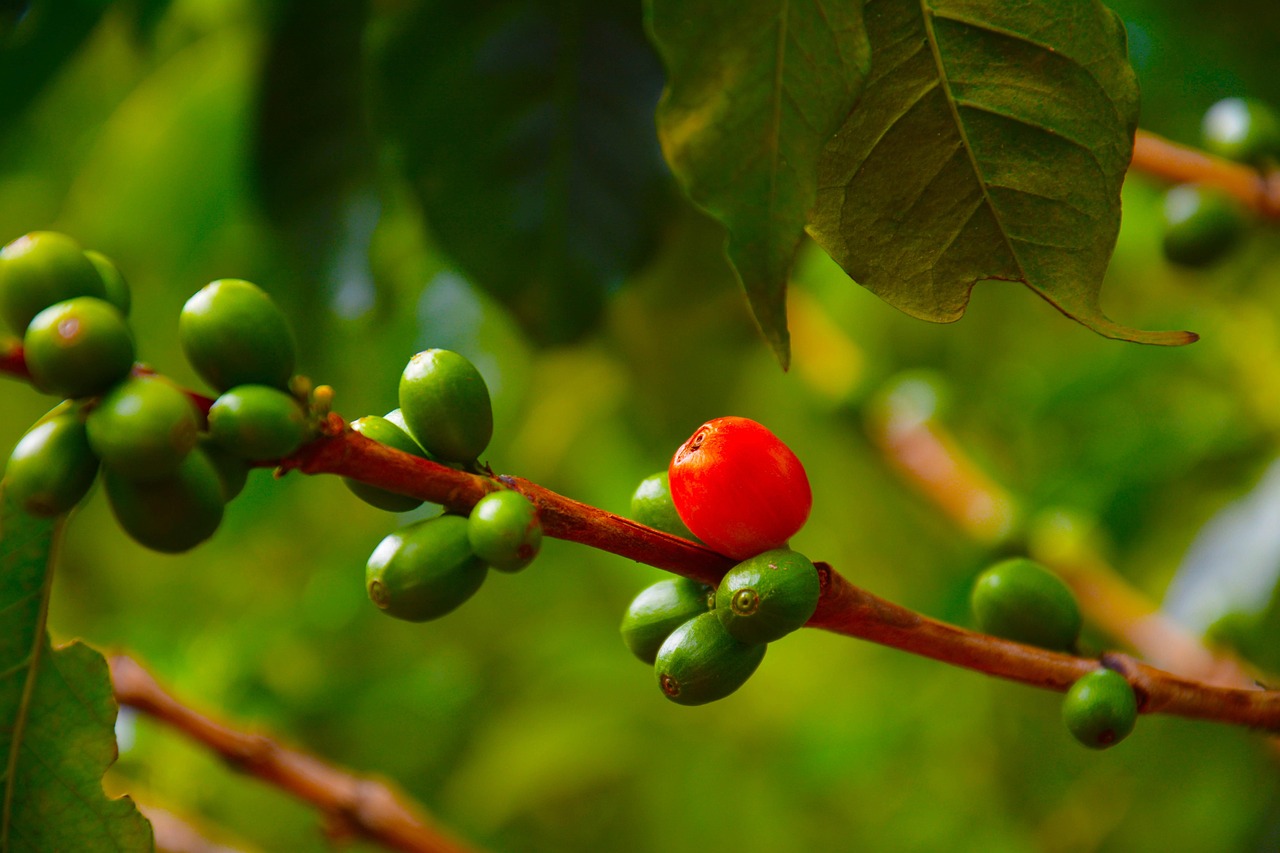
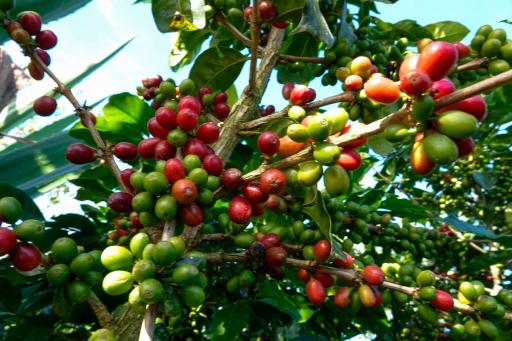
Walking the rows during harvest season, you learn to identify ripe cherries — only the fully red ones are picked. No yellow. No green. The estate employs up to 200 pickers during peak season, moving through the trees in a selection process that takes skill and experience. Your guide explains the maths: one tree produces 2 to 5 kilos of cherries. After full wet processing, that is 400g to 1kg of export-grade green coffee. Your morning cup of Kenya AA required roughly 50 cherries.
Your guide explains why altitude matters specifically at 1,750m: the beans mature slowly in the cool nights (10 to 15°C) and warm days (20 to 25°C), developing more complex sugars and fruit acids during the extended maturation period. The "thermal amplitude" between night and day is the physiological driver of Kenya coffee's defining brightness and wine-like acidity.
⚗️ 10:45 — The Wet Mill — Where the Science Happens
This is the section that makes the Fairview Coffee Estate tour genuinely educational for anyone who has toured larger estates where processing is presented at a distance. Fairview's own on-site wet processing station means you observe every step at close range.
The Full Wet Processing Sequence:
🍒 Step 1 — Pulping: Within hours of picking, ripe cherries feed into the drum pulper. Skin and pulp separate mechanically from the beans — now called "parchment coffee" — in seconds. The pulped skins discharge as wet waste that later composts and feeds the estate's dairy herd.
💧 Step 2 — Fermentation: Parchment beans transfer to concrete fermentation tanks and sit in water for 24 to 48 hours. Natural enzymes break down the sticky mucilage layer surrounding the parchment. The water shifts from clear to milky to clear again — that visual change is how the mill operators know fermentation is complete. Over-fermentation produces off-flavours. Under-fermentation leaves residual sugars that cause mould. Timing this correctly is the skill that separates premium estate processing from smallholder output.
🌊 Step 3 — Washing and Density Grading: Beans flow through concrete washing channels under running water. The densest beans — highest quality — sink. Defective beans, underdeveloped beans, and debris float and are skimmed off. This natural density sorting happens continuously and automatically. The channel system at Fairview produces one of the most visually satisfying demonstration points of any Kenya coffee farm tour in the Nairobi region.
🚿 Step 4 — Soaking: A secondary 12 to 24 hour soak in clean water stabilizes the beans and removes any remaining fermentation sugars. This secondary soak is a quality differentiator — not all estates do it.
☀️ Step 5 — Drying: Beans spread across raised African drying beds for 7 to 15 days depending on weather, workers raking them every hour to prevent mould and ensure even moisture distribution. Target moisture content is 10 to 12%. You touch the parchment at this stage — it feels like stiff paper and smells of wet earth and green vegetables.
🏭 11:15 — Dry Milling, Grading, and the Roasting Lab
After 30 to 60 days of conditioning in parchment, hulling removes the outer layer to reveal the green bean. Sorting produces the grade categories that appear on every specialty coffee auction lot:
AA (screen size 18+ — the largest beans, most complex cup, highest auction prices)
AB (screen 15 to 17 — the volume grade, balanced and reliable)
PB (Peaberry — rare single-bean cherries where both seeds fuse into one. Concentrated, almost syrupy, commands premium prices for its intensity)
In the roasting laboratory, small sample batches go into the drum roaster. First crack occurs at approximately 196°C — the moment the coffee bean's internal water pressure causes an audible pop and the beans begin expanding. Second crack at approximately 224°C. Fairview typically roasts to City or Full City (medium roast) to preserve the origin characteristics — the blackcurrant, the wine acidity, the grapefruit notes that define Kenya Arabica on the international specialty market.
🍵 11:45 — Professional Coffee Cupping Session
Not a casual tasting. A structured cupping session using Specialty Coffee Association of America protocols — the same evaluation methodology used by professional coffee buyers at international auctions.
You evaluate three grades side by side using the cupper's technique:
👃 Sniff — dry grounds before water. The fragrance of AA, AB, and PB side by side is immediately and surprisingly different.
💨 Break — after 4 minutes of steeping, you break the floating crust of grounds with a spoon and evaluate the wet aroma released. This is the moment professionals say captures the coffee's true character.
☕ Slurp — you draw the liquid across a spoon with a sharp inhalation that sprays it across the entire palate simultaneously. This aerates the coffee and distributes it to all taste zones at once. It is noisier than polite table manners — and far more effective.
You evaluate fragrance, aroma, flavour (the blackcurrant, citrus, and tomato notes Kenya is famous for), acidity (the bright sparkling quality that makes Kenya AA so distinctive), body (mouthfeel), and aftertaste (how long the pleasant flavours linger after swallowing). The AA is complex and layered. The AB is balanced. The PB is concentrated and slightly syrupy.
You leave knowing how to assess a cup of coffee with specific vocabulary — not just "I like this one."
🐄 12:15 — Optional: The Dairy Farm Experience
The Fairview Coffee Estate tour Nairobi has a hidden second act that is the highlight of every family visit. The estate maintains a herd of Friesian dairy cows in a zero-grazing unit — and the connection between the coffee operation and the dairy is a closed-loop agricultural system that most visitors do not expect.
The coffee cherry pulp from the wet mill composts and feeds the cows. The cow manure fertilizes the coffee trees. Nothing leaves the farm as waste.
Children can try hand-milking with guidance from the dairy team — it is significantly harder than it looks and the attempts are reliably entertaining. The dairy tour covers the zero-grazing feeding system, the napier grass cultivation, the milk cooling and processing equipment, and the economics of dual-crop agriculture on a Kiambu estate.
The dairy experience adds approximately 45 minutes to the session. Request it at booking with 48 hours notice.
🚐 13:00 — Return to Nairobi (Morning Session)
Drop-off at your Nairobi hotel or agreed point. Arrive approximately 13:30 to 14:00 — in time for lunch or the afternoon tea farm combination.
💰 2026 Pricing — Fairview Coffee Estate Farm Tour from Nairobi
All prices include private transport from Nairobi, guided estate walk, wet mill and processing tour, professional cupping session, cookies and snacks during cupping.
☕ Coffee Tour Only
| 👥 Group Size | 🇰🇪 Kenyan Citizens | 🌍 East African Residents | 🌐 International Visitors |
|---|---|---|---|
| 1 Person | KES 14,500 | KES 15,500 | $130 |
| 2 to 3 Persons | KES 9,500 | KES 10,500 | $90 pp |
| 4 to 6 Persons | KES 8,500 | KES 9,000 | $85 pp |
| 7+ Persons | KES 7,500 | KES 8,000 | $75 pp |
☕ + 🍽️ Coffee Tour with Packed Lunch
| 👥 Group Size | 🇰🇪 Kenyan Citizens | 🌍 East African Residents | 🌐 International Visitors |
|---|---|---|---|
| 1 Person | KES 20,000 | KES 21,000 | $175 |
| 2 to 3 Persons | KES 14,000 | KES 15,000 | $135 pp |
| 4 to 6 Persons | KES 12,500 | KES 13,500 | $130 pp |
| 7+ Persons | KES 11,000 | KES 12,000 | $115 pp |
📌 Packed lunch includes vegetable rice, chicken or beef, creamed vegetables, juice, and seasonal fruit. Vegetarian version available with 24-hour notice.
📌 Dairy hand-milking experience: add-on available with 48-hour notice at booking — KES 1,500 / $12 per person.
📌 Children under 3: complimentary. Children 3 to 12: 50% of adult rate.
📌 Deposit: 30% confirms your booking. Balance due on the day.
✅ What Is Included
🚐 Private 4×4 transport from Nairobi — hotel pickup and drop-off
🌿 Guided estate walk through nursery, fields, and processing areas
⚗️ Full wet mill and processing demonstration — pulping, fermentation, washing, drying
🏭 Dry mill grading and roasting laboratory visit
☕ Professional cupping session — 3 grades evaluated using SCA protocols
🍪 Refreshments during cupping — cookies and snacks
🎁 100g of freshly roasted Fairview estate coffee to take home
❌ What Is Not Included
🍽️ Lunch — available as a paid add-on (see pricing above)
🐄 Dairy hand-milking experience — available as a paid add-on
🛍️ Additional coffee purchases from the estate retail shop
🙏 Gratuities — suggested KES 500 per person for your guide
🆚 Fairview vs Karunguru — The Honest Coffee Farm Comparison
| Feature | ☕ Fairview Estate | ☕ Karunguru Coffee |
|---|---|---|
| Distance from Nairobi | 20km — 30 to 40 minutes | 40km — 1 hour plus |
| Estate size | 100 acres | 500 acres — 3rd generation family since 1928 |
| Price with lunch | From $130 pp | From $55 pp |
| Lunch style | Packed picnic | 3-course buffet in 1928 colonial ballroom |
| Unique features | Dairy farm, hand-milking, waterfall walks, bike rides | Larger scale production, liquoring (grading) experience |
| History | Since 1909 | Since 1928 |
| Processing detail | Full on-site wet mill — visible and accessible | Larger wet station, more industrial scale |
| Best for | Families with children, detail-focused visitors, half-day experience | Value-focused visitors, lunch experience, scale of production |
Honest recommendation: Fairview for the processing intimacy, the dairy, and the proximity to Nairobi. Karunguru for better value, a proper sit-down lunch, and a bigger production scale. The serious coffee choice is to do both — contact us for the Coffee Connoisseur Combo which visits both estates in one extended day at a 10% combined discount.
🌿 The Kenyan Beverage Day — Coffee Morning + Tea Afternoon
Since Fairview sits in Kiambu, combining the Fairview Coffee Estate tour from Nairobi with an afternoon tea farm visit creates one of the most educational agricultural day trips available from any African city.
The Kenyan Beverage Day Schedule:
🕗 08:30 — Depart Nairobi
🕙 09:30 — Fairview Coffee Estate morning session — wet mill, cupping, dairy optional
🕛 12:00 — Lunch at Kentmere Club or Brackenhurst (both historic Kiambu institutions)
🕑 14:30 — Tigoni Tea Farm tour — afternoon plucking and processing session
🕕 17:30 — Return to Nairobi
What you learn by doing both:
| Coffee (Fairview) | Tea (Tigoni) |
|---|---|
| Cherry fruit — wet fermentation processing | Leaf — withering, rolling, oxidation |
| Roasting required to develop flavour | No roasting — heat only for drying |
| One or two harvests annually | Multiple flushes across the year |
| 3 to 4 years to first harvest | 3 years to first harvest, 50+ year productive lifespan |
| Bright fruit acids and wine notes | Tannic, malty, earthy — the classic British cup |
Kenyan Beverage Day pricing: 10% discount when booking Fairview and Tigoni together. Contact us for the combined quote based on your group size.
🟣 The Kenyan Superfarm Triangle — Add Purple Tea for the Full Picture
The most complete Kenya agricultural day trip experience combines the Fairview Coffee Estate tour Nairobi with both tea options:
Coffee + Black Tea + Purple Tea:
☕ Fairview Coffee Estate — 115 years of Kenya Arabica heritage
🍃 Tigoni Black Tea Farm — Kenya's colonial tea tradition
🟣 Gatura Greens Purple Tea Farm — the world's first commercial purple tea and the future of Kenya's tea industry
These three farms collectively tell the entire story of Kenya's agricultural innovation — from the earliest colonial cultivation to the present-day specialty market to the cutting-edge functional food science of anthocyanin-rich purple tea. Contact us for the Kenya Superfarm Triangle — a 2-day programme combining all three with a Kiambu overnight, available at a 15% multi-farm discount.
📅 Seasonal Coffee Calendar — When to Visit Fairview
| 📅 Month | ☕ Estate Activity | 🌿 Tour Experience |
|---|---|---|
| January to March | Short rains, early flowering | Quiet — nursery and maintenance focus, beautiful flowering period |
| April to June | Main harvest — long rains | ⭐⭐⭐⭐⭐ Best time — heavy picking, wet mill at full capacity, maximum activity |
| July to September | Dry season — fly crop harvest | ⭐⭐⭐⭐ Very good — secondary picking, excellent outdoor weather |
| October to December | Short rains — main fly crop | ⭐⭐⭐⭐ Very good — second major harvest, fresh cherry availability |
💡 Best overall window: April to June and October to December when the wet mill is running at full capacity and the cherry-picking activity makes the field walk most dynamic and photogenic.
🦅 Fairview Estate Beyond Coffee — Additional Activities
The Fairview Coffee Estate Kiambu offers more than the coffee tour for visitors who want to spend a full morning:
🐦 Birdwatching — the estate's riverine forest and shade trees attract hartlaub's turaco, African crowned hornbill, olive sunbird, and several species of cisticola. The shade canopy required for quality SL28 production creates incidental excellent bird habitat.
🚴 Bicycle rides — mountain bikes available for gentle rides through the plantation tracks. The terrain is rolling rather than challenging — suitable for all fitness levels.
🌊 Waterfall walk — a trail leads to small falls on the Riara River system. Approximately 20 minutes each way through estate vegetation and riverine forest.
🌺 Garden relaxation — the colonial gardens are extensive and beautifully maintained. Bring a book. Stay for lunch. The veranda is one of Kiambu's most pleasant places to spend a late morning.
🔗 Related Farm and Highland Experiences
🍃 Tigoni Black Tea Farm Tour from Nairobi — Complete the Kenyan Beverage Day — coffee in the morning, black tea in the afternoon. 10% combined discount
🟣 Gatura Greens Purple Tea Farm Tour — The world's first commercial purple tea farm — the future of Kenya's tea industry and a wellness day trip unlike any other
🐎 Horseback Riding in Tigoni Tea Farms — Add an equestrian adventure to your Kiambu agricultural day
🌊 Ultimate Lake Naivasha Full Day Safari — Combine your coffee farm morning with a Naivasha afternoon on consecutive days for the full Nairobi day trip experience
📞 Book Your Fairview Coffee Estate Farm Tour
📱 WhatsApp / Call: +254 729 257 317 · +254 734 417 496 · +254 721 957 652
📧 [email protected] · [email protected]
We respond within 2 hours on WhatsApp. Tell us your date, preferred session (morning or afternoon), group size, and any add-ons. 24-hour notice minimum for all bookings. ☕
🔐 Why Book the Fairview Coffee Estate Tour With Wild Springs Adventures
✔ TRA Licensed Tour Operator — License No. TRA1/47/C01/25895. Your booking is legally protected under Kenya's Tourism Regulatory Authority.
✔ TripAdvisor Travelers' Choice 2024 and 2025 — Top 10% of tour operators globally. Two consecutive years of verified recognition.
✔ KPSGA Certified Guides — Kenya Professional Safari Guides Association certification. Your guide holds independently verified professional qualifications.
✔ TOSK Member #0082 — Tour Operators Society of Kenya.
✔ Direct Estate Relationship — We work directly with Fairview Estate. Your session timing, dietary requirements, dairy add-on, and specific interests are communicated before you arrive.
✔ Operating Since 2013 — Over 11 years of Kenya farm tour and day trip operations.
⭐ What Our Guests Say
⭐⭐⭐⭐⭐ "The Best Half-Day from Nairobi for Coffee Lovers."
I drink specialty coffee seriously at home and expected to be disappointed by a farm tour. I was not. The guide at Fairview knew the wet processing chemistry in genuine depth — the fermentation explanation was better than anything I had read online. The cupping session used proper SCA protocol. I bought 500g of the AA on the way out. Wild Springs organized everything without a moment's delay.— Verified Coffee Enthusiast, Denmark · TripAdvisor ✅
⭐⭐⭐⭐⭐ "The Kids Still Talk About the Cows."
We did the full tour with the dairy experience for our two children (ages 7 and 9). The hand-milking was their highlight of the entire two-week Kenya trip — which is saying something given we had just done Amboseli and the Masai Mara. The coffee cupping was genuinely accessible for adults while the kids explored. Wild Springs was punctual, professional, and excellent.— Verified Family, Netherlands · TripAdvisor ✅
⭐⭐⭐⭐⭐ "Professional, Well-Organized, Outstanding."
Wild Springs Adventures is the company for Kenya farm tours. Transparent pricing, excellent guide, and the Fairview estate itself is genuinely beautiful. Would recommend to anyone in Nairobi with a free morning.— Verified International Visitor · TripAdvisor ✅
❓ Frequently Asked Questions — Fairview Coffee Estate Farm Tour Nairobi
☕ Why is Kenyan coffee so expensive compared to other origins?
Kenya coffee commands premium prices at international auction because of a combination of unique factors: the volcanic iron-rich soil of the Central Highlands, altitude between 1,400 and 2,000 metres creating slow bean maturation, the bimodal rainfall giving two harvest seasons per year, the wet processing method that produces clean bright flavours, and the SL28 genetic heritage that produces the distinctive blackcurrant and wine-acid flavour profile. The Nairobi Coffee Exchange records some of the highest per-kilo prices for any washed Arabica origin globally. The Fairview Coffee Estate tour explains every element of this premium in practical terms.
🕐 How long is the Fairview Coffee Estate tour from Nairobi?
The full tour including transport is 3 to 4 hours — departing Nairobi at approximately 09:00 and returning by 13:00 for the morning session. The afternoon session departs at approximately 13:00 and returns by 17:00. Adding the dairy experience or lunch extends the session by 45 minutes to 1 hour. The estate is 20km from Nairobi CBD — 30 to 40 minutes drive depending on traffic.
🌱 What coffee varieties does Fairview grow and why does it matter?
Fairview grows SL28 and Ruiru 11. SL28 was developed by Scott Agricultural Laboratories in the colonial era — it is disease-susceptible but produces a cup widely regarded as among the finest in the world, with outstanding blackcurrant aromatics and wine-like acidity. Ruiru 11 is a compact dwarf variety bred by the Coffee Research Institute for resistance to coffee berry disease — it produces reliably and consistently. The blend of both varieties gives Fairview's lots the flavour complexity of heritage genetics and the consistency of modern disease-resistant cultivation.
🐄 What is the dairy farm experience and how do I add it?
Fairview maintains a herd of Friesian dairy cows in a zero-grazing unit. The dairy experience covers the feeding system, the closed-loop connection between coffee pulp composting and cow nutrition, and the opportunity for children (and adults) to try hand-milking under guidance from the dairy team. Add it at booking with 48 hours notice — it costs an additional KES 1,500 / $12 per person and adds approximately 45 minutes to the session.
🆚 Should I choose Fairview or Karunguru for my Kenya coffee farm tour from Nairobi?
Choose Fairview if you want the closest estate to Nairobi, are travelling with children who will enjoy the dairy experience, want detailed wet processing explanation at intimate scale, or prefer a half-day experience. Choose Karunguru if you want better per-person value, a proper 3-course sit-down lunch in a 1928 colonial ballroom, or want to see a larger 500-acre operation. The ideal answer is both — Wild Springs Adventures offers a Coffee Connoisseur Combo visiting both estates at a 10% combined discount.
📸 Is the Fairview Coffee Estate tour good for photography?
Yes. The colonial farmhouse architecture, the red-cherry-heavy trees during harvest season, the fermentation tanks and washing channels in the wet mill, and the drying beds spread with parchment coffee create a range of photographic environments within a single 100-acre estate. The estate's garden areas and the bougainvillea-covered veranda are particularly photogenic. Arrive at 09:00 for the best natural light on the estate buildings.
🥗 Can the tour accommodate vegetarian or dietary requirements?
Yes. The lunch add-on always includes a vegetarian option. Vegan and gluten-free options can be prepared with 24-hour advance notice. Mention your requirements at booking. The coffee and snacks during the cupping session are always vegetarian.
📋 How do I book the Fairview Coffee Estate farm tour from Nairobi?
WhatsApp us at +254 729 257 317 or email with your preferred date, session time (morning or afternoon), group size, and whether you want to add the lunch and dairy options. We require 24-hour notice for the lunch add-on and 48 hours for the dairy experience. A 30% deposit confirms your booking. Payment via M-Pesa, bank transfer, PayPal, or card.
We never request payment through social media, personal phone numbers, or any account or link not confirmed in writing by our office. If in doubt, call us before paying anyone.
Where You Will Visit
This safari explores the following regions in Kenya
- Kiambu