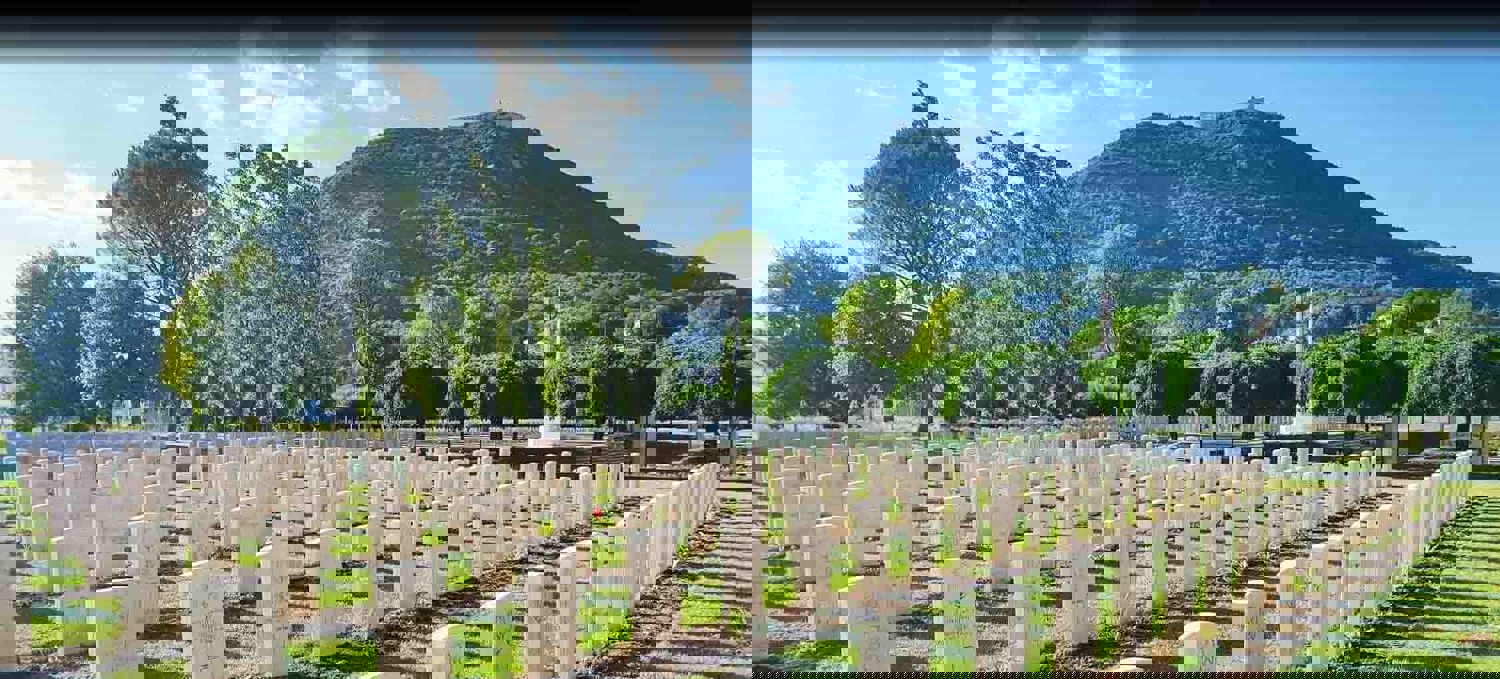
⚔️ Kenya World War Heritage Trail — Complete East African Campaign Expedition
Safari at a Glance
⚔ East African Campaign Historical Expedition Across Kenya
Wild Springs Adventures · Nairobi-Based Heritage Tourism Specialists Since 2013
🌍 Overview — Kenya's Forgotten Role in Global Military History
Between 1914 and 1918, one of the most extraordinary and least-known campaigns of World War I was fought across the landscapes you can drive through today in Kenya. The East African Campaign — a four-year conflict between British colonial forces, Indian Army regiments, South African troops, and the German Schutztruppe — stretched from the Indian Ocean coastline at Mombasa north through Tsavo, across the Taita Hills, into the central highlands and beyond.
More than 300,000 soldiers from Britain, India, South Africa, East Africa, the Caribbean, and Germany served in this theatre. Hundreds are buried in Kenya's Commonwealth war cemeteries — graves that their families have sometimes never visited, in places that most Kenyans drive past without knowing what they mean.
The Uganda Railway, built to connect the interior of East Africa to the Indian Ocean, became the campaign's critical spine — carrying troops, ammunition, medical supplies, and the wounded across a thousand kilometres of hostile terrain. The railway town of Voi became a military logistics hub. The border town of Taveta was occupied by German forces in August 1914 — one of the first pieces of British territory to fall in the entire war. Nairobi served as the administrative brain of the entire campaign, its hospitals filling with casualties from battles fought in places that had no names on European maps.
This is the history that the Kenya World War Heritage Trail exists to explore. It is not a standard safari. It is not a museum visit. It is a landscape expedition through one of the most historically significant yet least visited territories of the First World War — guided by specialists who know exactly what happened here, where the graves are, who is buried in them, and what the landscape looked like when the men who fought here were alive.
Wild Springs Adventures has spent years researching Kenya's military heritage landscapes in partnership with local historians, the Commonwealth War Graves Commission database, and descendants of soldiers who served in East Africa. We have helped families from Britain, India, Australia, South Africa, and the United States locate and visit the graves of relatives who died here over a century ago. For those families, this is not a tour. It is closure.
📋 Heritage Trail at a Glance
| Feature | Details |
|---|---|
| ⚔️ Campaign | East African Campaign - World War I (1914–1918) and World War II |
| 📅 Duration Options | 1 Day (Nairobi only) · 2–3 Days (Central Highlands) · 5–6 Days (Full Trail) |
| 📍 Regions Covered | Nairobi · Murang'a · Nyeri · Voi · Taita Taveta · Tsavo · Mombasa |
| 🚐 Tour Style | Private guided expedition - your group, your pace |
| 🧭 Guide Type | Specialist heritage interpreters with East African Campaign training |
| 👥 Best For | Historians · Genealogy researchers · Descendants of soldiers · Educational groups · History enthusiasts |
| 💰 Price From | KES 25,000 pp / $205 pp (group of 4, 2-day itinerary) |
| 📅 Best Seasons | June to October · December to February |
| 🚁 Emergency Cover | Flying Doctors evacuation cover can be arranged on request at additional cost |
🗺️ The Heritage Trail — What You Are Visiting and Why It Matters
The Kenya World War Heritage Trail is not one place. It is a corridor of historical sites stretching over 500 kilometres — from the war graves of Nairobi in the north to the Indian Ocean port of Mombasa in the south, with battlefields, military cemeteries, wartime railway infrastructure, and colonial settlement landscapes in between.
Understanding what connects these places is what makes the difference between a tour and an expedition. Every site on this trail is connected to the others by the same conflict, the same supply lines, the same soldiers moving through the same landscape — and our guides know those connections in depth.
🟤 Zone 1 — Nairobi: The Administrative Brain of the Campaign
Nairobi in 1914 was a young city — barely twenty years old and built entirely around the Uganda Railway. When war broke out, it became the administrative and medical headquarters of the entire East African operation. Military hospitals received casualties from battles fought hundreds of kilometres away. Administrative staff coordinated troop movements across a territory larger than Western Europe. The railway yard processed an unending flow of war material.
Today, Nairobi holds several of Kenya's most significant Commonwealth memorial sites, all maintained in immaculate condition by the Commonwealth War Graves Commission.
Ngong Road Commonwealth War Graves Cemetery is the largest CWGC cemetery in Kenya — rows of white Portland stone headstones in manicured lawns, each marking a soldier who died far from home. The cemetery contains burials from both world wars and represents the full diversity of the British Empire's military effort — British officers, Indian sepoys, East African carriers, South African soldiers. Each headstone tells a different story.
Kariokor Commonwealth War Graves Cemetery commemorates soldiers from the East African Campaign of World War I specifically. Many of the men buried here were African soldiers and carriers — the largely forgotten backbone of the British military effort in East Africa, without whom the campaign could not have been sustained.
Nairobi South Cemetery holds additional Commonwealth burials and civilian war graves from the period.
🕐 Time at Nairobi sites: Approximately 4 to 5 hours · Can be completed as a standalone 1-day experience from Nairobi
🟤 Zone 2 — The Central Highlands: Murang'a and Nyeri
North of Nairobi, the fertile highland country of Murang'a and Nyeri holds a quieter and less-visited chapter of the war story — one connected to the aftermath of conflict rather than its front lines.
Murang'a County is associated with one of Kenya's most poignant individual war burials. Corporal Harry Clement Seates of the Royal Army Medical Corps was accidentally killed in East Africa on 29 January 1919 — after the war had ended, in the chaos of demobilisation. He is commemorated on the Roll of Honour at Dean Close School in Cheltenham, Gloucestershire, and his grave in Murang'a represents a rare individual Commonwealth burial outside the large military cemeteries. For descendants tracing family connections to the East African Campaign, this site is deeply significant.
Nyeri War Cemetery at Kiganjo, north of Nyeri town, is one of the most beautiful Commonwealth cemeteries in Kenya — set against the backdrop of the Aberdare Range with Mount Kenya visible on clear mornings. During World War II, three military hospitals were constructed in Nyeri. Two were used by the military authorities; the third housed Italian prisoners of war and refugees captured in the East African theatre. The burials in Nyeri War Cemetery originated primarily from these wartime hospitals. The cemetery also sits within walking distance of the grave of Robert Baden-Powell — founder of the Scout movement, who retired to Nyeri and died here in 1941 — adding a second layer of historical significance to the town.
🕐 Time at Central Highlands sites: Full day from Nairobi, or overnight in Nyeri, recommended for a relaxed pace
🟤 Zone 3 — The Battlefield Corridor: Voi, Taita Taveta, and Tsavo
The southern battlefield corridor is the heart of the East African Campaign's military history in Kenya. This is where the actual fighting happened — where German and British forces met across the Taita Hills, the Tsavo plains, and the border country around Taveta.
The Uganda Railway at Voi and Tsavo was the campaign's strategic spine. The railway town of Voi was the forward supply base for British operations in the south — troops moved through it, supplies came in through it, and wounded men came back through it on the same trains. The Tsavo stretch of the railway had its own dark pre-war history — the Tsavo Man-Eaters of 1898, the lions that killed an estimated 35 railway workers during construction — but by 1914 the railway had become a military artery.
Voi War Cemetery commemorates soldiers from across the British Empire who passed through or died at this strategic railway hub during the East African Campaign. The cemetery is maintained by the CWGC and remains largely unvisited by mainstream tourism — which makes it all the more powerful to stand in.
Maktau Indian Cemetery is one of the most historically significant and least-visited Commonwealth memorial sites in Kenya. Maktau was an important British military position during the campaign, and the cemetery contains the graves of Indian Army soldiers — the Baluchi and Kashmiri regiments whose contribution to the East African Campaign is almost entirely absent from mainstream British military history. For visitors with Indian family connections to the campaign, this is an extraordinary find.
Taveta Military Cemetery holds some of the most significant battlefield burials of the entire campaign. Taveta was occupied by German forces on 15 August 1914 — one of the first pieces of British territory to fall in any theatre of the First World War. The town was retaken by the 130th Baluchis in March 1916 following the British advance through the Kilimanjaro region. The cemetery was used in March and April 1916 following the capture of Latema Nek, and after the war ended, 137 additional graves were reinterred here from smaller battlefield burial grounds including Salaita Hill, Serengeti, Mbuyuni, and the Taveta German Hospital Cemetery. The Taveta Indian Cemetery sits separately, specifically commemorating Indian Army soldiers.
| ⚔️ Key Battle | 📅 Date | 📍 Location | 🏴 Outcome |
|---|---|---|---|
| German Occupation of Taveta | August 1914 | Taveta | German advance — first British territory to fall |
| Battle of Salaita Hill | February 1916 | Taita Taveta | German defensive victory |
| Capture of Latema Nek | March 1916 | Taveta | British offensive breakthrough |
| Taveta Retaken | March 1916 | Taveta | 130th Baluchis advance |
🕐 Time at Voi and Taveta corridor sites: Full day · Best combined with overnight in Voi or Taita Hills
🟤 Zone 4 — Mombasa: The Indian Ocean Gateway
The port of Mombasa was the logistical entry point for the entire East African Campaign — the harbour through which British and Indian troops arrived, through which supplies flowed, and through which the wounded were evacuated. The city's Old Town and harbour area contain layers of historical significance that predate even the colonial period.
Fort Jesus, the 16th-century Portuguese fortress overlooking the harbour entrance, represents centuries of global conflict over this strategically vital Indian Ocean port — and its position in the harbour means it witnessed the arrival of every troopship and supply vessel of the World War I campaign.
The Mombasa leg of the heritage trail works best as a final stop on the full 5 to 6 day itinerary — a coastal conclusion to a highland and savanna journey, with the opportunity to combine with a Diani Beach rest day before returning to Nairobi.
📅 Full 5-Day Heritage Trail Itinerary — Nairobi to Mombasa
The itinerary below is the recommended full expedition. Shorter versions are available — see route options below.
⚔️ Day 1 — Nairobi War Graves and Memorials
07:30 — Nairobi departure
from your hotel. Your heritage guide briefs you on the day's sites and the campaign context before the first stop.
08:30 — Ngong Road Commonwealth War Graves Cemetery
The largest CWGC cemetery in Kenya. Your guide walks you through the headstones, identifying the regiments, nationalities, and dates — reading the campaign's progress through the pattern of the burials. If you are tracing a specific relative, this is where we begin. Allow 90 minutes minimum.
10:30 — Kariokor Commonwealth War Graves Cemetery
East African Campaign burials from World War I. A quieter, more intimate cemetery than Ngong Road — and in many ways more powerful. The African soldiers and carriers buried here represent the campaign's true workforce, the men without whom the British operation could not have functioned.
12:30 — Lunch at a Nairobi restaurant with a recommendation based on your preferences.
14:00 — Nairobi South Cemetery and surrounding historical district
Additional burials and the wider Nairobi heritage landscape — the Old Railway Station, the early colonial buildings of the city centre, and the memorial plaques that mark Nairobi's wartime role.
16:30 — Return to the hotel or depart for Nyeri
🍽️ Meals: Lunch included · 🏨 Overnight: Nairobi or depart for Nyeri
⚔️ Day 2 — Central Highlands: Murang'a and Nyeri
07:00 — Depart Nairobi north via Thika and Murang'a town.
09:30 — Murang'a Heritage Stop
The burial site of Corporal Harry Clement Seates is one of the most poignant and least-visited individual Commonwealth war graves in Kenya. Your guide provides full historical context on Seates, the RAMC in East Africa, and the extraordinary fact that this man died here after the war had already ended. For visitors tracing British family connections to the campaign, this stop can be deeply personal.
11:00 — Continue north to Nyeri
12:00 — Nyeri War Cemetery at Kiganjo
The highland cemetery with Mount Kenya on the horizon. Your guide walks through the hospital burials, the Italian prisoner of war history, and the wider story of Nyeri as a wartime medical centre. Robert Baden-Powell's grave is within walking distance — many visitors combine both.
14:00 — Lunch in Nyeri town
15:30 — Nyeri town heritage walk
The Old Outspan Hotel and the White Rhino Hotel — both colonial-era buildings with direct connections to the post-war settler period that followed the East African Campaign. The soldiers who survived came home to a world that did not want them. Many came to places like this instead.
17:30 — Check in to Nyeri accommodation
🍽️ Meals: Lunch included · 🏨 Overnight: Nyeri (Outspan Hotel or Mount Kenya Safari Club area recommended)
⚔️ Day 3 — South to Voi: The Railway Corridor
06:30 — Depart Nyeri
south toward Nairobi and then southeast toward Voi. The drive is approximately 4 hours to Voi — a journey that retraces in reverse the exact supply line that fed the British campaign from Mombasa northward.
10:30 — Tsavo Bridge and Railway Heritage Points
The Uganda Railway at Tsavo — where the Man-Eaters struck in 1898, where the same tracks carried military trains in 1914. Your guide traces the railway's transformation from colonial infrastructure to military artery. The Tsavo River bridge, rebuilt for military purposes during the campaign, stands on the route.
12:00 — Voi town and War Cemetery
Voi War Cemetery — one of the campaign's central memorial sites, maintained by the CWGC and rarely visited. Your guide provides a full briefing on Voi's role as the campaign's southern supply hub — the trains, the field hospitals, the Askari soldiers of the King's African Rifles who were recruited, trained, and in some cases buried here.
13:30 — Lunch in Voi
15:00 — Drive toward Taita Hills area — arriving in time for sunset over the hills that were the campaign's primary southern battleground.
🍽️ Meals: Lunch included · 🏨 Overnight: Taita Hills area (Taita Hills Lodge or Voi Safari Lodge)
⚔️ Day 4 — The Battlefield: Taveta, Salaita Hill, and Latema Nek
The most historically intense day of the full expedition. The landscape you drive through today is where the most significant fighting of the East African Campaign in Kenya took place.
06:30 — Early departure from Taita Hills toward Taveta town — 45 minutes drive.
07:30 — Taveta Military Cemetery
The morning light over the Kilimanjaro plains from Taveta Cemetery is extraordinary — the mountain visible on clear days behind the headstones. Your guide walks through the reinterment history, the Baluchi advance, the German hospital graves, and the stories behind the individual headstones. Allow 90 minutes minimum. This is the site most visitors find most powerful.
09:30 — Taveta Indian Cemetery
The separate Indian Army burial ground — and the context of the Indian Army's extraordinary contribution to East Africa that has been almost entirely written out of the standard British narrative of the war.
10:30 — Latema Nek and Salaita Hill
The landscape of the battles themselves — the hills and plains where the fighting happened in February and March 1916. No memorial markers. No visitor facilities. Just the landscape, your guide's narration, and the knowledge of what happened here.
13:00 — Maktau Indian Cemetery
One of the most isolated and least-visited Commonwealth memorial sites in all of East Africa. The graves of Indian Army soldiers at a position that barely appears in any history book. For visitors with Indian family connections to the campaign, this is often the most significant stop of the entire expedition.
14:30 — Lunch near Maktau or continue toward Mombasa
17:00 — Arrive Mombasa coast area
🍽️ Meals: Lunch included · 🏨 Overnight: Mombasa or Diani Beach
⚔️ Day 5 — Mombasa: The Port and Return to Nairobi
08:00 — Mombasa Old Town heritage walk
The harbour area, the old dhow port, and the colonial commercial district that served as the campaign's logistical entry point. Your guide traces the arrival routes of the troopships, the layout of the wartime port operations, and the coastal town that existed before, during, and after the campaign.
09:30 — Fort Jesus
The 16th-century Portuguese fortress overlooking the harbour entrance. Not primarily a World War I site, but the fortress frames the Indian Ocean gateway through which every campaign ship passed — and its history of repeated colonial conquest provides essential context for understanding why East Africa was a theatre of war at all.
11:00 — Departure for Nairobi via the SGR train (recommended) or road.
The SGR from Mombasa to Nairobi passes through the Tsavo corridor — the exact wartime supply route — in approximately 4.5 hours. Your guide continues the narration on the train if desired.
15:30 — Arrive in Nairobi
🍽️ Meals: Breakfast included
🗺️ Route and Duration Options — Choose Your Itinerary
| 🗓️ Duration | 📍 Route | 👥 Best For | 💰 Price From |
|---|---|---|---|
| 1 Day | Nairobi War Graves Only | City visitors, first introduction to the campaign | $310 for 2 persons |
| 2 Days | Nairobi + Central Highlands (Murang'a and Nyeri) | Genealogy researchers, central Kenya visitors | $310 pp (1 person) |
| 3 Days | Nairobi + Highlands + Voi corridor | Heritage travelers, partial trail | $275 pp (4 persons) |
| 5 Days | Full Nairobi to Mombasa Heritage Trail | Complete expedition, serious historians | Custom quote |
| 5–6 Days | Full Trail + Tsavo Wildlife Safari combo | Heritage and wildlife combination | Custom quote |
All itineraries are private. All pacing is flexible. Contact us with your dates, group size, and any specific sites or relatives you want to trace — we build the itinerary around your priorities.
💰 Pricing 2026 — Kenya World War Heritage Trail
All prices include a private safari vehicle, specialist heritage guide, fuel, and bottled water throughout. Accommodation and meals can be added to any package on request.
2-Day Expedition
| 👥 Group Size | 💰 Total (USD) | 💰 Per Person (USD) | 💰 Per Person (KES) |
|---|---|---|---|
| 1 Person | $520 | $520 | KES 67,000 |
| 2 Persons | $620 | $310 | KES 40,000 |
| 3 Persons | $720 | $240 | KES 31,000 |
| 4 Persons | $820 | $205 | KES 26,500 |
3-Day Expedition
| 👥 Group Size | 💰 Total (USD) | 💰 Per Person (USD) | 💰 Per Person (KES) |
|---|---|---|---|
| 1 Person | $720 | $720 | KES 93,000 |
| 2 Persons | $860 | $430 | KES 55,500 |
| 3 Persons | $980 | $327 | KES 42,000 |
| 4 Persons | $1,100 | $275 | KES 35,500 |
📌 5-Day and 6-Day full heritage trail pricing: Contact us for a custom quote based on your group size, accommodation preferences, and any specific sites you want included.
📌 School and educational group rates: Available for Kenyan schools, universities, and international educational institutions — contact us separately.
✅ What Is Included
🚐 Private safari vehicle with fuel — your group only, no shared vehicles
🧭 Specialist heritage guide with East African Campaign training — not a standard safari guide
🗺️ Pre-departure research assistance — if you are tracing a specific relative, we begin working with you before you arrive
🎫 Guided access to all Commonwealth War Graves Commission sites on your itinerary
💧 Bottled drinking water throughout
🩺 Emergency first aid kit
📜 Post-tour heritage summary document — your guide's notes, site details, and CWGC records for any graves visited
❌ What Is Not Included
🏨 Accommodation — can be arranged on request at every stop on the route
🍽️ Meals beyond those specified per itinerary — restaurants recommended at every stop
🎟️ Optional museum entry fees (Fort Jesus, Nairobi Museum)
🙏 Gratuities — suggested KES 1,500 per day for guide
✈️ International flights
🌦️ Best Time to Visit Kenya's World War Heritage Sites
June to October and December to February are the recommended travel windows for the full heritage trail. The southern route through Tsavo and Taita Taveta is particularly affected by the long rains in April and May — some access roads to more remote sites, including Maktau, become difficult in wet conditions. The Nairobi and Central Highlands sites are accessible year-round. For visitors combining the heritage trail with a Tsavo wildlife safari, the dry season windows also produce the best game viewing.
⭐ What Our Heritage Visitors Say
⭐⭐⭐⭐⭐ "We Found Our Great-Uncle's Grave."
My family had been trying to trace my great-uncle's burial site in Kenya for over thirty years. The team at Wild Springs found the records, confirmed the location, and took us there on a day that none of us will ever forget. The guide knew the full history of his regiment and the campaign in that region. This was not a tour. It was the most meaningful journey our family has ever taken. — Verified Family Group, United Kingdom · Private correspondence ✅
⭐⭐⭐⭐⭐ "Exceptional Historical Depth."
I am a military historian, and I was genuinely impressed by the level of detail the Wild Springs guide brought to the Taveta and Maktau sites. Most heritage tours in Africa are surface-level. This was not. The briefing on the Indian Army regiments at Maktau alone was worth the entire trip.— Verified Military Historian, Australia · TripAdvisor ✅
⭐⭐⭐⭐⭐ "Professional, Well-Organized, Outstanding."
If you are looking for a professional, well-organized, and outstanding tour company for Kenya, Wild Springs Adventures is the company to go with. Exceptional customer service and a genuinely memorable experience.— Verified International Traveler · TripAdvisor ✅
🏛️ Commonwealth War Graves Commission — Kenya Cemetery Index
| 🪖 Cemetery | 📍 Location | ⚔️ War | 📝 Notes |
|---|---|---|---|
| Ngong Road War Cemetery | Nairobi | WWII | Largest CWGC cemetery in Kenya |
| Kariokor War Cemetery | Nairobi | WWI | East African Campaign burials, including African soldiers |
| Nairobi South Cemetery | Nairobi | WWI/WWII | Additional Commonwealth and civilian burials |
| Nyeri War Cemetery | Kiganjo, Nyeri | WWII | Hospital burials — Italian PoW context |
| Voi War Cemetery | Taita Taveta | WWI | Railway hub campaign burials |
| Maktau Indian Cemetery | Maktau, Taita Taveta | WWI | Indian Army units — rarely visited |
| Taveta Military Cemetery | Taveta | WWI | Latema Nek battle burials — 137 reinterments post-war |
| Taveta Indian Cemetery | Taveta | WWI | Separate Indian Army burial ground |
All sites above are maintained by the Commonwealth War Graves Commission. Burial records for individual soldiers can be searched at cwgc.org before your visit — we recommend doing this in advance if you are tracing a family connection.
⚔️ Key Battles of the East African Campaign in Kenya
| ⚔️ Battle | 📅 Date | 📍 Location | 🏴 Outcome | 📝 Significance |
|---|---|---|---|---|
| German Occupation of Taveta | 15 August 1914 | Taveta | German advance | First British territory to fall in WWI |
| Battle of Tanga | November 1914 | Coastal Tanzania | German victory | Catastrophic British defeat — shaped entire campaign |
| Battle of Salaita Hill | February 1916 | Taita Taveta | German defensive victory | Precursor to the major Kilimanjaro offensive |
| Capture of Latema Nek | March 1916 | Taveta | British breakthrough | Turned the southern front — Taveta retaken |
| Advance through Taita Hills | 1916–1917 | Taita Taveta | British advance | German forces began their withdrawal into Tanzania |
🔗 Related Tours — Explore Kenya's Heritage Landscapes
⚔️ Nairobi War Graves and Monuments Tour — 1 Day — The ideal introduction to Kenya's WWI and WWII memorial sites for visitors in Nairobi with limited time
⚔️ Nairobi – Murang'a – Nyeri War Heritage Expedition — 2 to 3 Days — The Central Highlands circuit for visitors focusing on the post-war settlement period and the Nyeri hospital cemeteries
🦁 2 Days Amboseli Safari from Nairobi — Combine the heritage trail with Africa's most iconic elephant and Kilimanjaro photography experience
🦁 Masai Mara Budget Group Safari — Kenya's premier wildlife destination — many visitors combine the full heritage trail with a Masai Mara ending
📞 Plan Your Heritage Journey
📱 WhatsApp / Call: +254 729 257 317 · +254 734 417 496
📧 [email protected] · [email protected]
📬 Enquire Now — Tell Us Who You Are Tracing
We respond within 2 hours on WhatsApp. If you are tracing a specific relative, include their name and regiment in your first message, and we will begin research immediately.
🔐 Why Trust Wild Springs Adventures for Heritage Tourism
✔ Specialist Heritage Guides — not converted safari guides. Our heritage interpreters have specific training in East African Campaign history, CWGC records, and genealogical research assistance.
✔ Pre-Trip Research Service — if you are tracing a specific relative, we work with you before you arrive. We search CWGC records, cross-reference burial locations, and identify the exact sites you need to visit. This is included in the tour price.
✔ TRA Licensed — Tourism Regulatory Authority of Kenya, License No. TRA1/47/C01/25895.
✔ TOSK Member #0082 — Tour Operators Society of Kenya.
✔ TripAdvisor Travelers' Choice 2024, 2025 and 2026 — Top 10% of tour operators globally based on verified traveler reviews.
✔ Wikidata Verified Entity Q138856997 — Recognised by Google, Wikipedia, and AI knowledge systems as an established Kenyan tour operator.
✔ Operating Since 2013 — Over 11 years of heritage and safari operations from Nairobi.
✔ Responsible Heritage Tourism — We follow Commonwealth War Graves Commission guidelines for respectful visitation of memorial sites. No photography of individual headstones without family permission. No tour group noise at memorial sites. These are graves, not attractions.
❓ Frequently Asked Questions
⚔️ What is the Kenya World War Heritage Trail?
A private guided expedition connecting war cemeteries, battlefields, wartime railways, and colonial memorial sites across Kenya linked to the East African Campaign of World War I (1914–1918) and World War II. Key sites include Ngong Road Commonwealth War Graves Cemetery in Nairobi, Voi War Cemetery, Maktau Indian Cemetery, Taveta Military Cemetery, and Nyeri War Cemetery at Kiganjo.
🔍 Can Wild Springs Adventures help me trace a relative who served in the East African Campaign?
Yes — and this is one of the most important things we do. Our team works with the Commonwealth War Graves Commission database and local historical records before your visit to locate burial sites, confirm grave locations, and build an itinerary around the specific sites you need to see. Contact us with your relative's name, regiment, and approximate dates of service and we will begin research immediately.
🪖 Which war cemeteries in Kenya are maintained today?
All Commonwealth military cemeteries on this trail are maintained by the Commonwealth War Graves Commission. They are in immaculate condition year-round — mown grass, clean headstones, accurate records. Kenya's CWGC sites are among the best-maintained in East Africa.
📅 How many days does the full heritage trail take?
The Nairobi war graves can be completed in 1 day. The Central Highlands circuit including Murang'a and Nyeri takes 2 to 3 days from Nairobi. The full trail from Nairobi through the battlefield corridor to Mombasa takes 5 to 6 days. We build custom itineraries based on your available time.
🦁 Can the heritage trail be combined with a wildlife safari?
Yes — and this is one of the most popular combinations. The Voi and Taita Taveta battlefield corridor runs directly alongside Tsavo East and Tsavo West National Parks. Many visitors combine Days 3 and 4 of the heritage trail with a 1 or 2 night Tsavo safari, creating a journey that covers both Kenya's military history and its wildlife in a single efficient itinerary.
🌦️ When is the best time to visit Kenya's war heritage sites?
June to October and December to February. The southern route through Tsavo and Taita Taveta is affected by the long rains in April and May, making some access roads to remote sites like Maktau difficult. Nairobi and Central Highlands sites are accessible year-round.
🏛️ What was Kenya's role in the East African Campaign of World War I?
Kenya — then British East Africa — was the central theatre of the East African Campaign. Nairobi was the administrative and medical headquarters. The Uganda Railway was the critical supply corridor. The fighting was concentrated in Taita Taveta County, where German forces occupied British territory from August 1914 and were pushed back through 1916. Indian Army regiments, South African forces, Caribbean soldiers, and African Askari troops all served here alongside British officers in one of the most diverse military forces in the history of either World War.
🇮🇳 Are there specific sites for visitors tracing Indian Army soldiers?
Yes — and these are among the most significant and least-visited sites on the entire trail. Maktau Indian Cemetery and Taveta Indian Cemetery specifically commemorate Indian Army soldiers. The Indian Army's contribution to the East African Campaign — particularly the Baluchi, Kashmiri, and Punjabi regiments — is one of the most important untold stories of World War I. For visitors from India tracing family connections to the campaign, these sites are extraordinary.
📋 How do I book, and what is the deposit?
Contact us via WhatsApp at +254 729 257 317, email, or the enquiry form on this page. Tell us your dates, group size, and any specific sites or relatives you want to trace — we build the itinerary from there. A 50% deposit confirms your booking. Balance due 14 days before departure.
🏆 TripAdvisor Travelers' Choice 2024, 2025 and 2026 ·
✅ TRA Licensed No. TRA1/47/C01/25895 ·
🏛️ TOSK Member #0082 ·
🌍 Wikidata Verified Entity Q138856997
We never request payment through social media, personal phone numbers, or any account or link not confirmed in writing by our office. If in doubt, call us before paying anyone.
Where You Will Visit
This safari explores the following regions in Kenya
- Nairobi
- Tsavo West