3-Day Samburu Luxury Safari 2026 | Special Five + Astro
Safari at a Glance
The Samburu Special Five Under Africa's Darkest Skies
Wild Springs Adventures · Nairobi-Based Kenya Luxury Safari Specialists Since 2013
🏆 TripAdvisor Travelers' Choice 2024,2025 and 2026 · ✅ TRA Licensed No. TRA1/47/C01/25895 · 🏛️ TOSK Member #0082
🌍 Overview — Kenya's Most Exclusive Safari Destination, Day and Night
The 3-day Samburu luxury safari takes you to a park that most Kenya visitors never reach,and that is precisely why the serious traveler chooses it. While the Masai Mara fills with vehicles in high season, Samburu National Reserve in Kenya's northern frontier receives a fraction of that traffic, concentrates its wildlife along one of Africa's most beautiful seasonal rivers, and offers five species found nowhere else in the southern safari circuit.
The Samburu Special Five, Reticulated Giraffe, Grevy's Zebra, Somali Ostrich, Beisa Oryx, and Gerenuk (are endemic to the semi-arid Somali-Maasai ecosystem of northern Kenya). You cannot see them in Amboseli, the Masai Mara, or Tsavo. The only way to see all five in one safari is to come north to Samburu.
But Samburu offers something even rarer than its endemic wildlife. At night ,far from any city light, at altitude, in air that carries almost no humidity, the northern Kenya sky is among the darkest in East Africa. Samburu Sopa Lodge has built on this extraordinary natural advantage with an outdoor planetarium and dedicated astrotourism programme, the only such facility in any Kenyan national park. On clear nights in the northern frontier, the Milky Way is not a faint band but a structural feature of the sky dense, layered, and entirely overhead, casting a shadow that no artificial light has ever touched.
This Samburu safari from Nairobi is available at both mid-range and luxury price levels, with a choice of lodges inside the main reserve and in the surrounding community conservancies. Every guest, regardless of which lodge they stay in, can access the Samburu Sopa planetarium experience. The Samburu Special Five by day. The southern hemisphere sky by night. No other Kenyan national park offers both.
📋 Samburu Safari at a Glance
| Feature | Details |
|---|---|
| 🦓 Destination | Samburu National Reserve + Shaba, Kalama, and Westgate Conservancies |
| 📅 Duration | 3 Days / 2 Nights |
| 🚐 Safari Type | Private safari — your group only |
| 📍 Start and End | Nairobi — Wilson Airport fly-in (luxury) or private road transfer |
| 🌟 Unique Feature | Samburu Sopa Planetarium (astro tourism under Africa's darkest sky) |
| 🦓 Endemic Wildlife | Samburu Special Five (found nowhere else in the Kenya safari circuit) |
| 📚 Heritage Layer | Born Free — the landscape of Joy and George Adamson and Elsa the lioness |
| 🏕️ Accommodation | Mid-range and luxury options inside reserves and in conservancies |
| 💰 Price From | $440 per person (mid-range, group of 7) |
| 📅 Departures | Daily private departures (any date) |
🌌 Astro Tourism at Samburu - Africa's Premier Dark Sky Safari Experience
There is a moment on the second night of this 3-day Samburu safari that most guests describe as one of the most unexpected and powerful of their entire Kenya trip — and it has nothing to do with wildlife.
The northern Kenya sky at altitude, with no city light pollution within 350km, no ambient moisture from nearby lakes, and air that has crossed semi-arid scrubland rather than farmland, is among the darkest in East Africa. The Milky Way, the combined light of 250 billion stars in our galaxy's disc, is not a suggestion but a solid structural feature of the sky directly overhead, so dense and detailed that the dark dust lanes between the spiral arms are visible to the naked eye.
Samburu Sopa Lodge has built the first and only outdoor planetarium in any Kenyan national park, specifically to give guests guided access to this extraordinary sky. The installation includes professional-grade telescopes and a structured astro programme led by trained guides covering the southern hemisphere constellations, the planets visible in the current season, the mythology of the stars in Samburu culture, and the deep-sky objects visible through the telescopes on a clear night: the Orion Nebula, the Magellanic Clouds, the Jewel Box cluster, and the Southern Cross.
The programme is open to guests from all lodges in the Samburu ecosystem. You do not need to stay at Samburu Sopa Lodge to access the planetarium experience. Guests staying at Elephant Bedroom Camp, Saruni Samburu, Sasaab, Samburu Game Lodge, or any other reserve property can arrange an evening transfer to the Sopa Lodge planetarium, a 20 to 40 minute drive depending on your lodge's position. Wild Springs Adventures coordinates this arrangement at booking for any guest who selects the astro add-on, regardless of their accommodation choice.
What to expect:
🌙 Planetarium presentation: 45 to 60 minutes of guided constellation mapping, seasonal planet identification, and Samburu star mythology under the open sky
🔭 Telescope viewing: professional-grade instruments set up by the Sopa astronomy guide. On the clearest nights, Saturn's rings, Jupiter's moons, and deep-sky objects are observable
⭐ Astrophotography guidance: your guide helps set up long-exposure smartphone and camera shots to capture the Milky Way above the Samburu acacia silhouette, the image that guests share most after this safari
🌌 Cultural star knowledge: the Samburu people navigated the northern frontier for generations by the stars. Your guide incorporates Samburu star names, seasonal navigation knowledge, and the role of specific star clusters in the cattle-herding calendar
Astro add-on price: $35 per person, including evening transfer from your lodge to Samburu Sopa and return. Minimum group size: 2 persons. Subject to weather and clear skies, we arrange a morning game drive extension as a complimentary alternative if cloud cover prevents observation.
📚 Born Free — The Landscape You Are Driving Through Has a Story
Most visitors to Samburu arrive knowing about the Samburu Special Five. Fewer know that the northern Kenya landscape they are driving through is also the setting of one of the most significant conservation stories ever written — and that it still shapes the wildlife policy of the entire region today.
Joy Adamson arrived in Kenya's Northern Frontier District with her husband, George Adamson, then a game warden responsible for the vast arid territories north of Mount Kenya. In 1956, George shot a lioness that had attacked him and discovered she had three cubs. One of the cubs, whom Joy named Elsa, was kept and raised by the Adamsons at their camp near the Tana River and in the broader northern frontier landscape. Joy documented Elsa's rehabilitation back into the wild in Born Free (1960), a book that sold millions of copies worldwide, was made into an Academy Award-winning film, and became the founding text of modern wildlife conservation. The idea that a wild animal could be raised by humans and successfully returned to the wild, that the boundary between human and animal was permeable in both directions, was revolutionary. The Born Free Foundation continues global wildlife work in Elsa's name today.
The Samburu connection is direct and layered. Joy Adamson was murdered at Shaba National Reserve in January 1980, the reserve adjacent to Samburu, through which the Ewaso Nyiro River flows east from the main reserve. Shaba was Joy's final field base. She was working on a cheetah rehabilitation project when she died. Joy's Camp at Shaba National Reserve is named in her honour and is available as an accommodation option on this safari, one of the most historically resonant places to stay in all of northern Kenya.
George Adamson continued his work with lions at Kora National Reserve, east of Samburu along the Tana River, until he was murdered there in 1989. The George Adamson Wildlife Preservation Trust maintains active conservation programmes in northern Kenya to this day.
The Ewaso Nyiro River, which runs through your game drives on this Samburu safari, is the same river system that connected Joy and George Adamson's northern frontier territory. The lions you watch at dusk from the Ewaso Nyiro bank are descended from the same northern Kenya gene pool as Elsa. The landscape that defined Born Free is the landscape you are in.
For guests who want to deepen this connection, Wild Springs Adventures includes a guided narrative on the Adamson story as part of the Samburu cultural and historical briefing on Day 1. Joy's Camp at Shaba can be included as a one-night extension or as the primary accommodation on itineraries that incorporate both reserves.
🦓 The Samburu Special Five — Why This Is Not Any Other Kenya Safari
🦒 1. Reticulated Giraffe — The World's Most Distinctively Patterned Giraffe
The Reticulated Giraffe is a separate species from the Masai Giraffe of southern Kenya, taller, more boldly patterned, with large polygonal chestnut patches separated by clean white lines that give it the appearance of stained glass from a medieval cathedral. Its range is almost entirely confined to northern Kenya, southern Ethiopia, and Somalia. Samburu's population is one of the most accessible in the world, and sightings at close range are daily occurrences on morning game drives.
🦓 2. Grevy's Zebra — Africa's Most Endangered Equid
The Grevy's Zebra is the largest wild equid on Earth and the most endangered zebra species in Africa. Fewer than 3,000 individuals remain, with Samburu holding one of the last viable populations. Distinguished from the Plains Zebra by its narrow, closely-spaced stripes, large, rounded ears, and white belly, the Grevy's Zebra is a species that serious wildlife travelers specifically travel to Samburu to photograph.
🐦 3. Somali Ostrich — The Blue-Necked Giant of the North
Reclassified as a separate species from the Common Ostrich in 2014, the Somali Ostrich male has distinctive blue-grey neck and thigh skin during the breeding season — unlike the pink-red of Common Ostriches. Their range is restricted to the Horn of Africa region, including northern Kenya's arid zones. Samburu is one of the most reliable locations in the world to observe this species in its natural habitat.
🦌 4. Beisa Oryx — The Desert Warrior
The Beisa Oryx is built for extreme aridity, capable of surviving without water for days by allowing its body temperature to rise rather than sweating. Its straight metre-long rapier horns, black and white facial markings, and barrel-chested grey body make it one of Africa's most striking large antelopes. Samburu's open plains hold small herds, most active in the cooler morning and evening hours.
🦌 5. Gerenuk — The Giraffe-Necked Antelope
The Gerenuk is a gazelle with a disproportionately elongated neck that allows it to browse standing upright on its hind legs, reaching vegetation 2 metres above ground that no other gazelle can access. The name means "giraffe-necked" in Somali. Watching a Gerenuk stand bipedally in an acacia thicket, balancing on its hind legs while reaching for leaves, is one of the most remarkable wildlife behaviours visible from any safari vehicle in Africa.
🏕️ Lodge and Camp Options - Inside the Reserve and in the Conservancies
The Samburu safari ecosystem is larger than the main national reserve boundary. Several of the finest lodges and camps in the region sit inside community conservancies or adjacent reserves which are in many cases quieter, less vehicle-trafficked, and offer access to wildlife corridors the main reserve does not cover.
📍 Inside Samburu National Reserve
🌟 Samburu Sopa Lodge — Mid-range · Reserve · 🔭 Planetarium and Astro Programme
Samburu Sopa Lodge is the only lodge in any Kenyan national park with a dedicated outdoor planetarium and astro tourism programme. The lodge sits on the Ewaso Nyiro's north bank with excellent game drive access to the reserve's central areas. Rooms are large, well-maintained cottages with river views. The Sopa brand runs consistent full-board standards with good dining quality. For guests combining the Samburu Special Five with the astro experience, this is the most operationally convenient choice the planetarium is on-site and no evening transfer is required.
🌿 Samburu Game Lodge — Mid-range · Reserve · Historic First Lodge on the Ewaso Nyiro
Samburu Game Lodge (now managed by Serena) holds a unique historical distinction: it is the original lodge of the Samburu ecosystem, built in 1965, and the place where Joy Adamson brought guests to observe the riverine wildlife that informed her northern Kenya writing. The lodge sits directly on the Ewaso Nyiro bank at a point where crocodiles, elephants, and various wading birds are reliably visible from the riverside terrace without leaving your seat. For guests interested in the Born Free heritage layer, staying at Samburu Game Lodge adds a direct historical connection to the Adamson story.
🌿 Samburu Simba Lodge — Mid-range · Reserve · Budget Entry Point
Samburu Simba Lodge is the most affordable lodge inside the main Samburu National Reserve, clean, functional, and well-positioned for game drives. Simba Lodge is the right choice for budget-conscious travelers who want full reserve access without the premium pricing of Sopa or Game Lodge. The facilities are basic by comparison, but the wildlife access is identical, the same game drive circuits, the same river crossings, the same Special Five concentrations.
🌿 Elephant Bedroom Camp — Luxury · Reserve · On the Ewaso Nyiro
Elephant Bedroom Camp is a 12-tent luxury camp positioned on the Ewaso Nyiro bank inside the reserve. Twelve tents at full capacity, you will never feel crowded. The camp's name comes from the elephants that regularly cross the river directly in front of the tents at night. Night game drives, unique in Samburu, operate from here.
📍 In Adjacent Conservancies and Reserves
🌿 Joy's Camp — Mid-range · Shaba National Reserve · Born Free Heritage
Joy's Camp sits inside Shaba National Reserve, the reserve adjacent to Samburu through which the Ewaso Nyiro flows east, and is named for Joy Adamson, who was murdered here in 1980 while working on a cheetah rehabilitation project. Shaba is quieter than the main Samburu reserve, has its own Special Five populations, and the landscape has a wilder, less-visited quality. Joy's Camp guests can access Samburu Sopa's planetarium via a 35-minute evening transfer and can combine game drives in both reserves across a 3-day itinerary. This is the most historically resonant mid-range accommodation choice for visitors interested in the Born Free story.
🌟 Saruni Samburu — Luxury · Kalama Community Conservancy · Panoramic Hillside
Saruni Samburu is positioned on a hillside above the reserve in the Kalama Community Conservancy, six open-fronted villa suites with panoramic views across the Ewaso Nyiro plain and the flat-topped silhouette of Mount Ololokwe. The conservancy model means wildlife moves freely across the boundary, game drive access covers both Kalama and the reserve, and the number of vehicles encountered per sighting is even lower than inside the reserve itself. Saruni operates the most experienced Samburu naturalist team in the ecosystem — several guides have worked exclusively in northern Kenya for over 20 years.
🌟 Sasaab Camp — Luxury · Westgate Community Conservancy · Relais & Châteaux
Sasaab is a Relais & Châteaux property, a certification held by fewer than 600 properties globally, and the hospitality industry's most rigorous quality standard. Nine tented suites with private plunge pools, Moroccan-influenced open architecture, and the largest private terrace of any camp in northern Kenya. The Ewaso Nyiro curves directly below the main deck, and the elephant crossing opposite the camp is one of the most reliably photographed wildlife moments in Samburu. Located in the Westgate Community Conservancy, quieter than the main reserve, with access to both ecosystems.
💰 2026 Pricing
All prices below are per person, fully inclusive for the complete 3-day / 2-night safari. This includes all park and conservancy entry fees, private 4×4 vehicle and driver-guide, all full-board meals, bottled water, game drives, guided bush walks, and Nairobi pickup and drop-off. Fly-in upgrade (Wilson Airport return flights) is available for all lodges at +$520 per person and converts any road-based price to a fly-in package.
📌 Astro experience add-on (Samburu Sopa Planetarium): +$35 per person for guests at any lodge.
📌 Conservancy location is indicated. Conservancy lodges have access to both the main reserve and their surrounding conservancy, typically with fewer vehicles and a more exclusive feel.
🌿 Mid-Range Lodges — Road Transfer, Private Vehicle
| 👥 Persons | 🔭 Samburu Sopa 🏞️Reserve | 🌿 Samburu Game Lodge 🏞️Reserve | 🌿 Samburu Simba 🏞️Reserve | 🌿 Joy's Camp 🌿Shaba Reserve |
|---|---|---|---|---|
| 🇰🇪 KES / 🌍 Res$ / 🌐 Non-Res$ | 🇰🇪 KES / 🌍 Res$ / 🌐 Non-Res$ | 🇰🇪 KES / 🌍 Res$ / 🌐 Non-Res$ | 🇰🇪 KES / 🌍 Res$ / 🌐 Non-Res$ | |
| 1 Person | 78,000 / $820 / $950 | 82,000 / $860 / $990 | 68,000 / $720 / $840 | 85,000 / $900 / $1,050 |
| 2 Persons | 58,000 / $620 / $720 | 61,000 / $650 / $745 | 51,000 / $540 / $630 | 64,000 / $680 / $790 |
| 3 Persons | 50,000 / $540 / $620 | 53,000 / $560 / $640 | 44,000 / $470 / $545 | 55,000 / $585 / $680 |
| 4 Persons | 45,000 / $480 / $560 | 47,000 / $500 / $575 | 39,000 / $415 / $485 | 49,000 / $520 / $605 |
| 5 Persons | 40,000 / $440 / $510 | 42,000 / $455 / $525 | 35,000 / $380 / $445 | 44,000 / $475 / $555 |
| 6 Persons | 37,000 / $405 / $475 | 39,000 / $420 / $490 | 32,000 / $350 / $410 | 40,000 / $440 / $515 |
| 7 Persons | 34,000 / $380 / $440 | 36,000 / $395 / $455 | 29,000 / $325 / $380 | 37,000 / $410 / $480 |
🌟 Luxury Lodges — Fly-in Package from Wilson Airport (Flights Included)
| 👥 Persons | 🌟 Elephant Bedroom 🏞️Reserve | 🌟 Saruni Samburu 🌿Kalama Conservancy | 🌟 Sasaab Camp 🌿Westgate Conservancy |
|---|---|---|---|
| 🇰🇪 KES / 🌍 Res$ / 🌐 Non-Res$ | 🇰🇪 KES / 🌍 Res$ / 🌐 Non-Res$ | 🇰🇪 KES / 🌍 Res$ / 🌐 Non-Res$ | |
| 1 Person | 168,000 / $1,760 / $1,970 | 238,000 / $2,490 / $2,670 | 380,000 / $3,980 / $4,050 |
| 2 Persons | 125,000 / $1,310 / $1,470 | 178,000 / $1,870 / $2,010 | 285,000 / $2,990 / $3,050 |
| 3 Persons | 108,000 / $1,130 / $1,270 | 155,000 / $1,620 / $1,745 | 248,000 / $2,600 / $2,655 |
| 4 Persons | 98,000 / $1,030 / $1,150 | 140,000 / $1,465 / $1,580 | 225,000 / $2,360 / $2,410 |
| 5 Persons | 91,000 / $955 / $1,070 | 130,000 / $1,360 / $1,470 | 209,000 / $2,190 / $2,240 |
| 6 Persons | 86,000 / $900 / $1,010 | 122,000 / $1,280 / $1,385 | 197,000 / $2,065 / $2,115 |
| 7 Persons | 82,000 / $860 / $965 | 116,000 / $1,215 / $1,315 | 188,000 / $1,970 / $2,020 |
📌 All prices include park and conservancy entry fees for all 3 days, private vehicle, KPSGA-certified guide, all full-board meals, house beverages, game drives, and activities. Nothing is added at any gate.
📌 Fly-in is included in all luxury lodge prices above. Mid-range lodge guests can add the fly-in option for +$520 per person return from Wilson Airport.
📌 Astro experience add-on available to all lodge guests: +$35 per person, including evening transfer to Samburu Sopa planetarium and return.
📌 Rates are mid-season 2026. High season (July to October, December) prices are approximately 15 to 20% higher. Contact us for exact seasonal rates.
📌 Single room supplement: varies by lodge — contact us. Child rates (5 to 11 years): 50% of the adult rate. Minimum recommended age: 5 years.
🗓️ Full 3-Day Itinerary — Samburu Safari from Nairobi
🌅 Day 1 — Nairobi to Samburu: The Northern Frontier and the First Sighting
Option A — Fly-in from Wilson Airport (Recommended):
Depart Nairobi Wilson Airport on a scheduled or chartered flight to Samburu or Shaba airstrip — approximately 1 hour. The aerial approach is itself a safari moment: the landscape below transitions from Nairobi's highland suburbs to the red-dust semi-arid northern frontier, the Ewaso Nyiro River appearing as a thread of green across the tawny plain, and Mount Ololokwe, the flat-topped sacred mountain of the Samburu people, rising from the surrounding desert exactly as it appears in every Born Free landscape photograph.
Option B — Road Transfer:
Your safari adventure begins with an early morning departure from Nairobi as you journey north through the scenic Mount Kenya region and the bustling town of Isiolo, the gateway to Kenya's northern frontier. Along the way, enjoy spectacular landscapes that gradually transition into the rugged semi-arid terrain that makes Samburu so unique. Arrive at your safari lodge or camp in time for lunch and some relaxation before heading out for your first game drive in the renowned Samburu National Reserve. During the afternoon safari, explore the reserve's diverse habitats and watch for elephants gathering along the life-giving Ewaso Nyiro River. The reserve's dramatic scenery, unique wildlife, and beautiful riverine forests provide an excellent introduction to Northern Kenya's wilderness.
Optional: Astro experience at Samburu Sopa planetarium.
After dinner, your guide or the Sopa planetarium team leads the evening programme, constellation mapping, telescope viewing of planetary and deep-sky objects, and the Samburu star mythology that gave these constellations meaning for generations of northern Kenya pastoral people. On a clear night, the Milky Way overhead in Samburu is genuinely one of the most remarkable things you will see on this entire safari. Not metaphorically. Literally remarkable.
🍽️ Meals: Lunch and Dinner · 🏕️ Overnight: Your chosen lodge or camp
🦓 Day 2 — All Five Special Five, the Ewaso Nyiro, and the Story of Elsa
After an early breakfast, embark on a full day of wildlife viewing in Samburu National Reserve, one of Kenya's most rewarding safari destinations. The reserve is famous for the rare and unique "Samburu Special Five" – the Grevy's zebra, reticulated giraffe, Somali ostrich, gerenuk, and Beisa oryx (species found mainly in Northern Kenya). Throughout the day, your guide will help track these remarkable animals while also searching for predators such as lions, cheetahs, and the elusive leopard. A visit to the Ewaso Nyiro River offers excellent opportunities to observe elephants, crocodiles, and a variety of birdlife that gather around this vital water source. The river's lush vegetation and dramatic landscapes create outstanding photographic opportunities. In the afternoon, continue exploring the reserve's unique ecosystem, characterized by acacia woodlands, riverine forests, and open plains. Guests may also choose to visit a traditional Samburu village to learn about local customs, culture, and way of life. Return to camp in the evening to enjoy sunset views, a relaxing campfire atmosphere, and dinner under the African sky.
Optional: Samburu cultural visit — arranged with the community leadership, facilitating an introduction to Samburu elder warriors, the morani warrior tradition, and the community conservancy model that has made the Samburu and Laikipia communities some of Africa's most successful wildlife conservation partners.
Sundowners in the bush. Night with the Ewaso Nyiro sounds below your camp.
🍽️ Meals: Breakfast, Bush Lunch, and Dinner · 🏕️ Overnight: Your chosen lodge or camp
🌄 Day 3 — Final Morning and Departure
Transfer to the airstrip or begin road return.
After breakfast, check out of the lodge. Enjoy the scenic drive through Northern Kenya and the Mount Kenya region, arriving in Nairobi later in the afternoon. Upon arrival, you will be dropped off at your hotel, residence, or Jomo Kenyatta International Airport, marking the end of your memorable Samburu safari experience.
For guests combining Samburu with Joy's Camp at Shaba, the Day 3 drive east along the Ewaso Nyiro passes through the landscape where Joy Adamson lived and worked, arriving at Joy's Camp as a final overnight before returning to Nairobi on Day 4.
🍽️ Meals: Breakfast
🦅 Birding in Samburu — 450+ Species Under Africa's Best Dark Sky
The 3-day Samburu safari covers one of Kenya's premier birding destinations. The reserve and surrounding conservancies form part of the Somali-Maasai biome, the highest concentration of dry-country bird species in East Africa.
Samburu's recorded bird list exceeds 450 species. Dry-country specialities that specifically attract serious birders include the Vulturine Guineafowl's cobalt-blue breast feathers, long-hackled neck, and crimson eye, reliably seen in groups along the Ewaso Nyiro margins. The Somali Bee-eater, Golden-breasted Starling (arguably Africa's most beautiful starling), Von der Decken's Hornbill, D'Arnaud's Barbet, and Martial Eagle are all reliable. The Ewaso Nyiro River holds African Finfoot, Palm-nut Vulture, and several kingfisher species. The African Bird Club identifies Samburu as one of its highest-priority Kenya birding sites.
For astrophotographers who also bird: the pre-dawn hours at Samburu between 04:30 and 06:00 before the game drive departs are when the sky is at its most photographically extraordinary and the nocturnal birding (Verreaux's Eagle-Owl, Slender-tailed Nightjar, African Scops Owl) is at its most active. Your guide can arrange a pre-dawn bird and sky walk on request.
🌦️ Best Time for the Samburu Luxury Safari
January to March -Short Dry Season (Excellent): Clear skies make this the best window for both daytime Special Five photography and night astro experiences. Grevy's Zebra are most reliably seen at the Ewaso Nyiro margins in the cool mornings. The sky in February is particularly extraordinary; the Milky Way core rises in the pre-dawn hours, and the air is at its clearest.
April to May -Long Rains: The northern frontier receives less rain than the south. Samburu remains accessible, and the green-season vegetation is beautiful. Birding peaks. Pricing is reduced. Astro visibility is more variable with increased cloud cover, but still possible on clear nights.
June to October -Peak Dry Season (Best Wildlife and Best Skies): The finest overall window. The Ewaso Nyiro drops to its lowest levels, concentrating wildlife at the remaining river pools. All five Special Five species are reliably sighted daily. The September to October skies are at their clearest and driest, the optimal window for Samburu astro tourism. Book 6 months in advance for July and August.
November to December (Post-Rain Green Season): Briefly green after short rains. Christmas bookings at Sasaab and Saruni are taken up to a year in advance.
| 📅 Season | 🦓 Special Five | 🌌 Astro Visibility | 🦅 Birding | 💰 Pricing |
|---|---|---|---|---|
| January to March | Excellent | Excellent | Good | High |
| April to May | Good | Variable | Peak | Budget |
| June to October | Best | Excellent (Sep-Oct peak) | Good | Premium |
| November to December | Good | Good | Good | High |
🔗 Related Safaris
🦁 3-Day Masai Mara Budget Group Safari — Combine with Samburu for the complete Kenya wildlife circuit
🐘 2 Days Amboseli Safari from Nairobi — Add Kilimanjaro elephant photography to your northern Kenya itinerary
🏔️ Mount Kenya Group Trek — 5 Days — Combine Africa's most exclusive northern safari with a summit attempt accessible from Nanyuki
🌌 3-Day Samburu Safari + Astro Night — Read our complete guide to Kenya astro tourism and dark sky locations
📞 Book Your Samburu Safari
📱 WhatsApp / Call: +254 729 257 317 · +254 734 417 496
📧 [email protected] · [email protected]
We respond within 2 hours on WhatsApp. Tell us your dates, lodge preference, group size, and whether you want the astro add-on. We hold your room for 48 hours while you confirm the deposit. 🦓🌌
🔐 Why Book This Samburu Safari With Wild Springs Adventures
✔ TRA Licensed Tour Operator — License No. TRA1/47/C01/25895. Kenya's Tourism Regulatory Authority regulates our operations. Your booking is legally protected.
✔ TripAdvisor Travelers' Choice 2024 and 2025 — Top 10% globally based on verified traveler reviews. Two consecutive years.
✔ KPSGA Certified Naturalist Guides — Kenya Professional Safari Guides Association Silver and Gold level certification on all northern Kenya itineraries.
✔ TOSK Member #0082 — Tour Operators Society of Kenya.
✔ Direct Lodge Relationships — Direct working relationships with every lodge and camp on this safari. Your room preference, dietary requirements, astro booking, and specific interests are communicated before you arrive.
✔ Astro Programme Coordination — We coordinate the Samburu Sopa planetarium booking for guests at any lodge. This is handled as part of your safari booking at no additional administrative effort on your part.
✔ Operating Since 2013 — Over 11 years of northern Kenya safari operations including Samburu, Shaba, and Laikipia itineraries.
⭐ What Our Samburu Safari Guests Say
⭐⭐⭐⭐⭐ "Samburu Was the Best Decision of Our Kenya Trip"
We had already done the Masai Mara twice. Wild Springs suggested Samburu, and we almost said no. By Day 2, we had seen all five Special Five species. The Gerenuk standing on its hind legs in morning light was worth the entire trip. Then, the planetarium experience at night, the guide showed us the Milky Way through the telescope and pointed out individual star clusters. Nobody warned us the sky would be that extraordinary. Verified Repeat Kenya Visitors, Australia · TripAdvisor ✅
⭐⭐⭐⭐⭐ "Sasaab and the Elsa Story Made This Unforgettable"
Our guide gave us the full Born Free narrative on Day 2 with the Ewaso Nyiro in front of us. Knowing that Joy Adamson worked and died in this exact landscape, and that the lions we were watching were descended from the same population as Elsa, transformed the safari from a wildlife experience into something much more meaningful. Sasaab is extraordinary. Wild Springs handled everything without a single problem. Verified Luxury Traveler, United Kingdom · TripAdvisor ✅
❓ Frequently Asked Questions — Samburu Safari
🌌 What is the astro tourism experience at Samburu Sopa Lodge, and can I access it from other lodges?
Samburu Sopa Lodge operates the only outdoor planetarium in any Kenyan national park, a dedicated astro programme with professional-grade telescopes, guided constellation mapping, and Samburu star mythology. The experience is open to guests staying at any lodge in the Samburu ecosystem, not only Sopa guests. Wild Springs Adventures coordinates a 20 to 40 minute evening transfer from your lodge to the Sopa planetarium and back, at $35 per person inclusive. The northern Kenya sky in clear conditions is among the darkest in East Africa; the Milky Way is visible as a dense structural overhead feature. Subject to weather, we arrange a morning game drive extension as a complimentary alternative if cloud cover prevents observation.
🦓 What are the Samburu Special Five, and where can I see them?
The Samburu Special Five are five wildlife species whose ranges are restricted to the semi-arid Somali-Maasai ecosystem of northern Kenya: Reticulated Giraffe, Grevy's Zebra, Somali Ostrich, Beisa Oryx, and Gerenuk. None of these five species is found in the Masai Mara, Amboseli, or Tsavo. Samburu National Reserve is the most accessible and reliable location in the world to see all five in a single three-day safari.
📚 What is the Born Free connection to Samburu?
Joy and George Adamson worked in Kenya's Northern Frontier District throughout the 1950s and 1960s, in the same landscape that encompasses Samburu. Joy's book Born Free (1960) was the founding text of modern wildlife conservation. Joy Adamson was murdered at Shaba National Reserve, adjacent to Samburu, through which the Ewaso Nyiro flows east, in 1980. Joy's Camp at Shaba National Reserve is named in her honour and is available as an accommodation option on this safari. The Ewaso Nyiro River you drive along during game drives is the same river system that connected the Adamsons' northern frontier territory. George Adamson Wildlife Preservation Trust continues active conservation work in northern Kenya today.
🏕️ What is the difference between the reserve and conservancy lodges?
Samburu National Reserve is the main gazetted park. Saruni Samburu sits in the Kalama Community Conservancy, and Sasaab sits in the Westgate Community Conservancy, both adjacent to the reserve. Conservancy lodges access both their conservancy land and the main reserve on game drives, typically encounter fewer vehicles per sighting, and operate within a community wildlife model that directs tourism revenues directly to local Samburu families. Joy's Camp is inside Shaba National Reserve, a separate reserve east of Samburu through which the same Ewaso Nyiro flows, with its own Special Five populations and a more remote atmosphere.
✈️ Should I fly or drive to Samburu from Nairobi?
We strongly recommend flying for the 3-day itinerary. Samburu is 350km from Nairobi — 5 to 6 hours by road via Isiolo. A road transfer on a 3-day safari loses significant portions of Day 1 and Day 3 to driving. The Wilson Airport flight takes approximately 1 hour and is included in all luxury lodge prices. Mid-range lodge guests can add a fly-in for +$520 per person return.
🌍 How does Samburu compare to the Masai Mara?
The Masai Mara is best for the Great Migration, the highest Big Cat density, and iconic savanna photography. Samburu is best for five endemic species found nowhere else in the Kenya safari circuit, extremely low vehicle density, the Ewaso Nyiro River lodge experience, and the astro tourism programme. If you have done the Mara and want something rarer and more exclusive, Samburu is the correct next destination. Wild Springs Adventures designs combined Samburu and Masai Mara itineraries.
📋 How do I book the Samburu safari?
WhatsApp us at +254 729 257 317 or email with your preferred dates, lodge choice, group size, and whether you want the astro experience add-on. We confirm lodge availability and hold your room for 48 hours while you confirm the deposit. A 30% deposit confirms your booking. Balance due 30 days before departure.
We never request payment through social media, personal phone numbers, or any account or link not confirmed in writing by our office. If in doubt, call us before paying anyone.
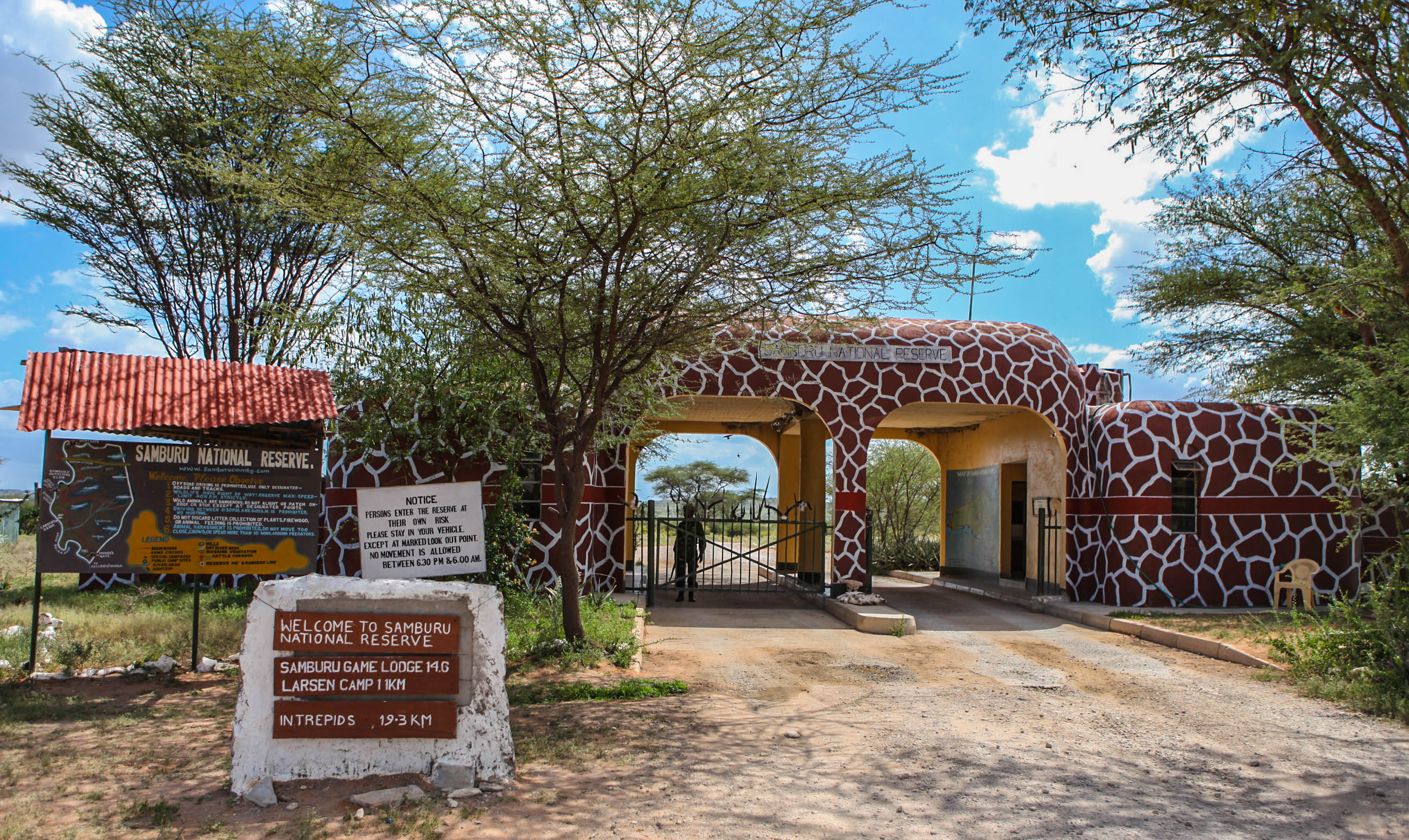
Where You Will Visit
This safari explores the following regions in Kenya
- Samburu National Reserve